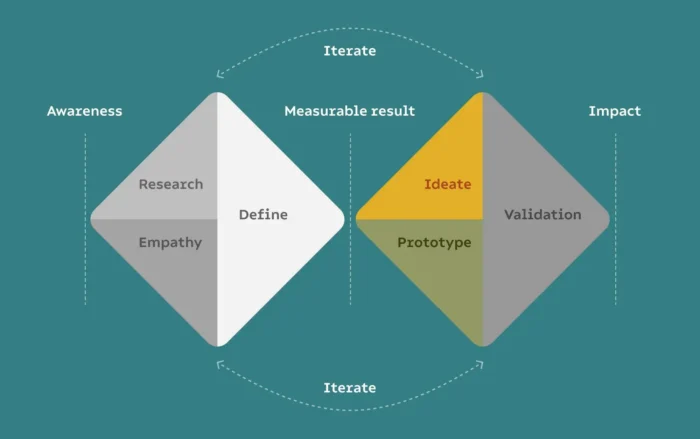
Claude Design is an experimental AI design workspace developed by Anthropic, powered by the Claude Opus 4.7 architecture, that enables users to create prototypes, mockups, and presentations using natural language prompts. Announced in April 2026, the tool was specifically designed to overcome bottlenecks in ideation and rapid prototyping during the early stages of the design process.
Key Features and Mechanics
Traditional design processes have relied heavily on designers for decades, creating slowdowns for marketing and product management teams. Claude Design allows even individuals without a technical design background to generate visual assets through text prompts.
One of the tool's most notable capabilities is its ability to automatically apply brand guidelines by importing a company's existing codebase and design files. Users can instantly refine their designs by chatting with the AI, making direct edits, or leaving comments. Once work is complete, assets can be exported to PDF, PPTX, Canva, or Claude Code workflows.
Role in UX Processes and Limitations
Anthropic positions the tool not as an alternative to industry standards like Figma and Canva, but as a complementary element. Rather than handling detailed and final production-ready designs, the goal is to accelerate the ideation phase. For UX teams, this means early-stage discovery and exploratory work can be tested in much less time and with fewer resources expended.
Industry Implications and Considerations
The proliferation of AI-powered tools in the design and digital marketing worlds continues to transform team workflows. While solutions like Claude Design grant marketing and product teams autonomy in visualization processes, they allow professional designers to focus on more strategic and complex problems. The success of these tools will depend on how compatibly they can operate with brands' data security policies and existing technical infrastructures.
Frequently Asked Questions
Can Claude Design be used for final production designs?
No, the tool is not intended for final production designs; rather, it is designed for rapid ideation, early-stage prototyping, presentation preparation, and concept development.
What methods are available to make changes to designs?
Iterations can be performed through natural language conversations, direct edits, leaving comments, and using built-in control settings.
*This news report was prepared based on data published by the Neil Patel Blog.
💬 Comments
No comments yet. Be the first!
You must be logged in to comment.
🔑 Log In