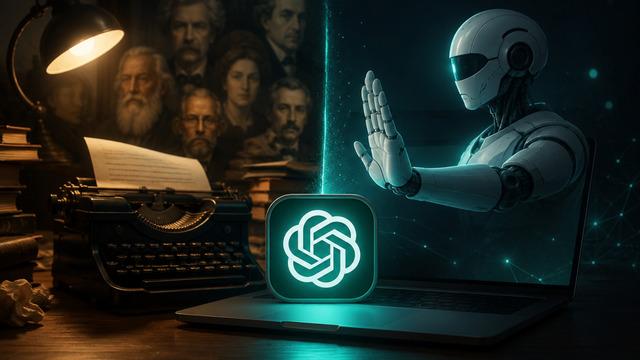
OpenAI has begun implementing a new policy that prevents users from asking ChatGPT to write texts that directly mimic the unique style and voice of popular authors like Agatha Christie. Covering both living and deceased authors, this move aims to prevent AI models from copying copyrighted literary identities.
Copyright Shield Against Style Mimicry
Tests conducted by Engadget showed that when asked to write a mystery story in the style of Agatha Christie, ChatGPT refused the request. Stating that the author's works are protected by copyright, the AI explained that it could not provide a direct imitation; however, it offered to generate original alternatives that carry general elements similar to the author's work.
Previous research indicated that the system could loosen such restrictions for deceased authors. The current situation reveals that OpenAI has tightened its protective measures in the face of copyright debates and ongoing legal processes.
Sectoral Reflections and Impacts on Content Creation
The training of artificial intelligence tools on datasets of literary works has long drawn the backlash of creative industries. OpenAI's move to restrict style mimicry is seen as an effort to mitigate allegations of copyright infringement. This situation forces marketers and content creators who generate text using AI to focus on more general tone and style guidelines rather than directly copying the identities of specific authors.
Frequently Asked Questions
How exactly does ChatGPT respond to prompts that mimic the style of copyrighted authors?
The artificial intelligence states that the works are under copyright protection and that it cannot perform direct style imitation, but offers to suggest completely original alternative texts that do not carry the author's signature characteristics.
Does this restriction cover only living authors or deceased authors as well?
Tests show that this blocking policy applies to all authors, both living and deceased.
*This news was prepared based on data published by Webtekno — Artificial Intelligence.
💬 Comments
No comments yet. Be the first!
You must be logged in to comment.
🔑 Log In