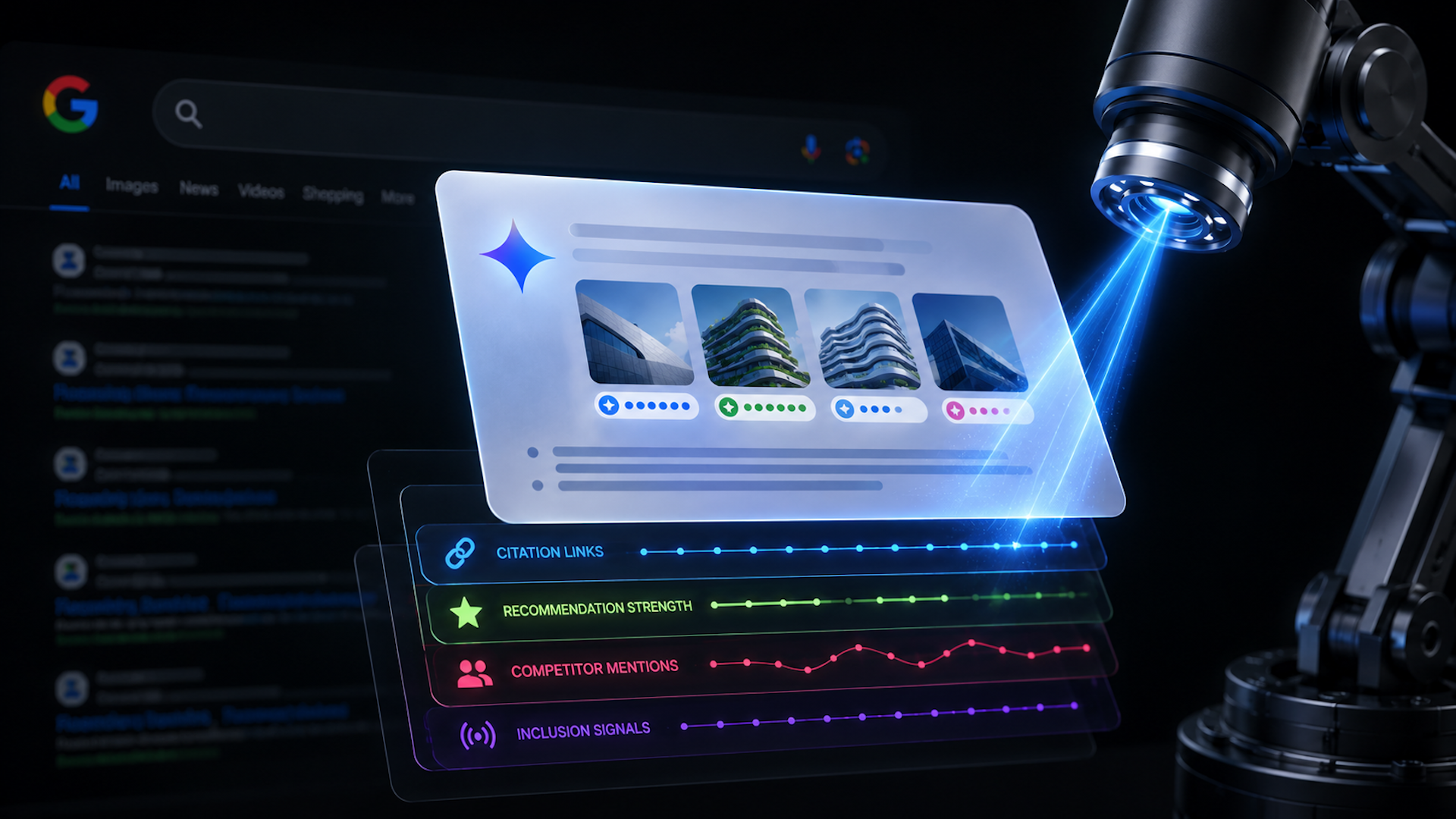
Measuring brand visibility in AI models like Gemini requires a specialized process that combines manual tracking, AI visibility platforms, and analytics data, as traditional tools like Search Console or Google Analytics do not directly report AI interactions. Even though users may discover a brand through AI responses and subsequently convert via traditional searches or direct visits, this initial AI touchpoint remains invisible in standard reports.
Challenges of Tracking Gemini Mentions
Unlike traditional SEO metrics, Gemini does not deliver a fixed result for every search. Factors such as follow-up questions, search context, location, personalization, and updates to Google's core models mean that even a single query can yield different answers. This variability is further amplified as Google rolls out AI experiences that integrate personal signals like Gmail, Photos, and Search. Two different people asking the exact same question can receive completely different answers—meaning your brand might be recommended in one conversation and omitted in another, or positioned differently against competitors.
Patterns to Monitor for Accurate Measurement
Since there is no fixed "Gemini ranking," digital marketers must measure broad patterns rather than isolated results. The key metrics to focus on in this process include:
- How often your brand appears in critical prompt sets,
- Recommendation consistency,
- How it is positioned relative to competitors,
- Whether these trends improve over time.
Industry Implications and Measurement Approach
To accurately analyze visibility in AI search engines, brands must not rely on a single method. While manual tracking processes provide insights for specific core prompts, dedicated AI visibility platforms deliver scalable data. Blending these two approaches with referral and brand search trends in analytics tools is the most effective way to clarify AI's impact on business outcomes.
Frequently Asked Questions
How do personalized AI features impact brand visibility metrics?
Personalized AI experiences that integrate personal data such as Gmail, Photos, and Search result in different answers for every user. Since this makes fixed rank tracking impossible, it requires brands to monitor overall visibility patterns and frequency rather than individual results.
Why do traditional analytics tools miss traffic coming from AI searches?
Buyers frequently discover a brand in AI responses and then continue their research via Google Search or visit the site directly. Because this initial AI interaction is invisible in standard reporting tools, it is essential to use additional methods that directly measure AI visibility.
*This news report has been prepared based on data published by Search Engine Land.
💬 Comments
No comments yet. Be the first!
You must be logged in to comment.
🔑 Log In