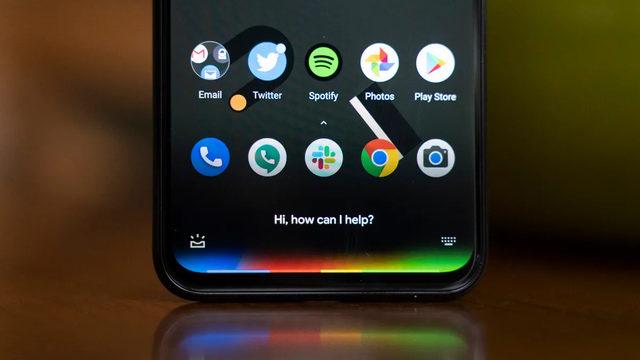
Google has announced via an official email that the long-standing Google Assistant will be completely phased out starting September 4 across Android phones, Wear OS smartwatches, and Android Auto-enabled vehicles, making way for Gemini AI models. With this transition, the classic assistant experience will be retired, and users will not be given the option to revert.
Transition Timeline to Gemini and Affected Devices
According to the tech giant's statement, the process to terminate access to Google Assistant will begin on September 4. However, this gradual rollout may take a few weeks to reach all devices and users globally.
The platforms and device categories directly affected by the change are as follows:
- Android Phones and Tablets: The classic voice assistant interface will be entirely replaced by Gemini.
- Wear OS Smartwatches: Traditional assistant support will also be discontinued on wearable devices.
- Android Auto Systems: Access to Google Assistant will be removed from in-vehicle infotainment screens.
No Option to Revert
The "Switch to Google Assistant" option currently available within the Gemini app was offered as a temporary convenience. However, once the rollout beginning on September 4 is complete, this option will be permanently removed. Users will have no way to return to the legacy system or reactivate the classic Google Assistant.
Industry Implications and User Experience
The evolution of assistant technologies in the mobile ecosystem from classic command-based systems to generative AI (LLM)-driven models has accelerated. Google's move demonstrates that AI assistants are no longer just an option in the smartphone and wearable market, but a standard operating system layer. Users will need to adapt to the advanced natural language processing and contextual capabilities offered by the next-generation Gemini models.
Frequently Asked Questions
Will existing Google Assistant shortcuts and voice command triggers on devices continue to work after the transition?
Yes, physical buttons and triggers like "Hey Google" will continue to work, but the interface that opens and the responses provided will be powered directly by the Gemini infrastructure instead of the classic assistant.
Is there any extra download or installation process users need to perform manually for this update?
On most devices, system updates and Google services will be configured automatically in the background; however, users are advised to keep the relevant apps updated for the best Gemini experience.
*This news report was prepared based on data published by Webtekno — Artificial Intelligence.
💬 Comments
No comments yet. Be the first!
You must be logged in to comment.
🔑 Log In