Plug-in hybrid (PHEV) vehicles offer the advantages of fuel economy and low emissions by combining an internal combustion engine with an electric motor. While their complex architectures can raise questions regarding longevity, certain engine technologies have proven their mettle over many years and stand out for their durability. Available in the Turkish market as well, these systems draw attention with their robust engineering infrastructure.
Standout Durable Plug-In Hybrid Systems and Technical Specifications
The primary plug-in hybrid engine options that have proven their reliability in the market, along with their key features, are as follows:
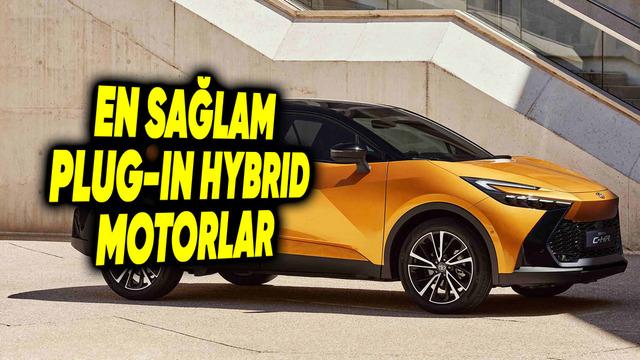
- Toyota C-HR Plug-in Hybrid: Utilizing the brand's fifth-generation hybrid technology, the vehicle features a 2.0-liter 4-cylinder naturally aspirated Dynamic Force gasoline engine. Operating on the Atkinson cycle, this engine delivers a combined output of 223 horsepower alongside the electric motor, transmitting power through the renowned durability of the e-CVT transmission.
- Volvo T8 Recharge (XC60 and XC90): Combining a 2.0-liter turbocharged gasoline engine with an electric motor, this system provides electronic all-wheel drive by having the gasoline engine power the front axle and the electric motor drive the rear. Delivering up to 455 horsepower, the system reduces wear and tear on the gasoline unit by sharing the load.
- Volkswagen Group 1.5 eHybrid: Based on the 1.5-liter turbocharged gasoline engine belonging to the EA211 evo2 family, this system is equipped with variable geometry turbocharging and cylinder deactivation technology. Producing between 204 and 272 horsepower, this powertrain is paired with the DQ400e hybrid transmission.
- Kia Sportage Plug-in Hybrid: Combining a 1.6-liter T-GDi turbocharged gasoline engine with an electric unit, the model produces a total of 265 horsepower and 350 Nm of torque. Departing from other brands by opting for a 6-speed torque-converter automatic transmission, it features a detail that stands out in terms of long-term durability.
Industry Implications and Longevity Advantages
Although the complex hybrid architectures of plug-in hybrid vehicles tend to worry consumers, manufacturers' solutions that relieve internal combustion engines from electrical burdens are extending mechanical lifespans. Specifically, cylinder deactivation technologies, electronic torque vectoring, and the use of torque-converter transmissions directly reduce the rate of wear experienced by engine components. With the proliferation of these technologies in the Turkish automotive market, the perception of hybrid reliability in the secondary market is also being shaped by these engineering choices.
Frequently Asked Questions
How does the choice of transmission affect durability in plug-in hybrid engines?
e-CVT transmissions, dual-clutch transmissions specially developed for hybrids (such as the DQ400e), or torque-converter automatics optimize torque management, directly reducing mechanical wear on the engine and drivetrain.
Does electric motor support extend the lifespan of the gasoline engine?
Yes. In daily use, the electric motor sharing the load and stepping in during high-rev situations prevents the internal combustion engine from operating under constant high stress, positively supporting its lifespan.
*This news article was prepared based on data published by Webtekno — Artificial Intelligence.
💬 Comments
No comments yet. Be the first!
You must be logged in to comment.
🔑 Log In