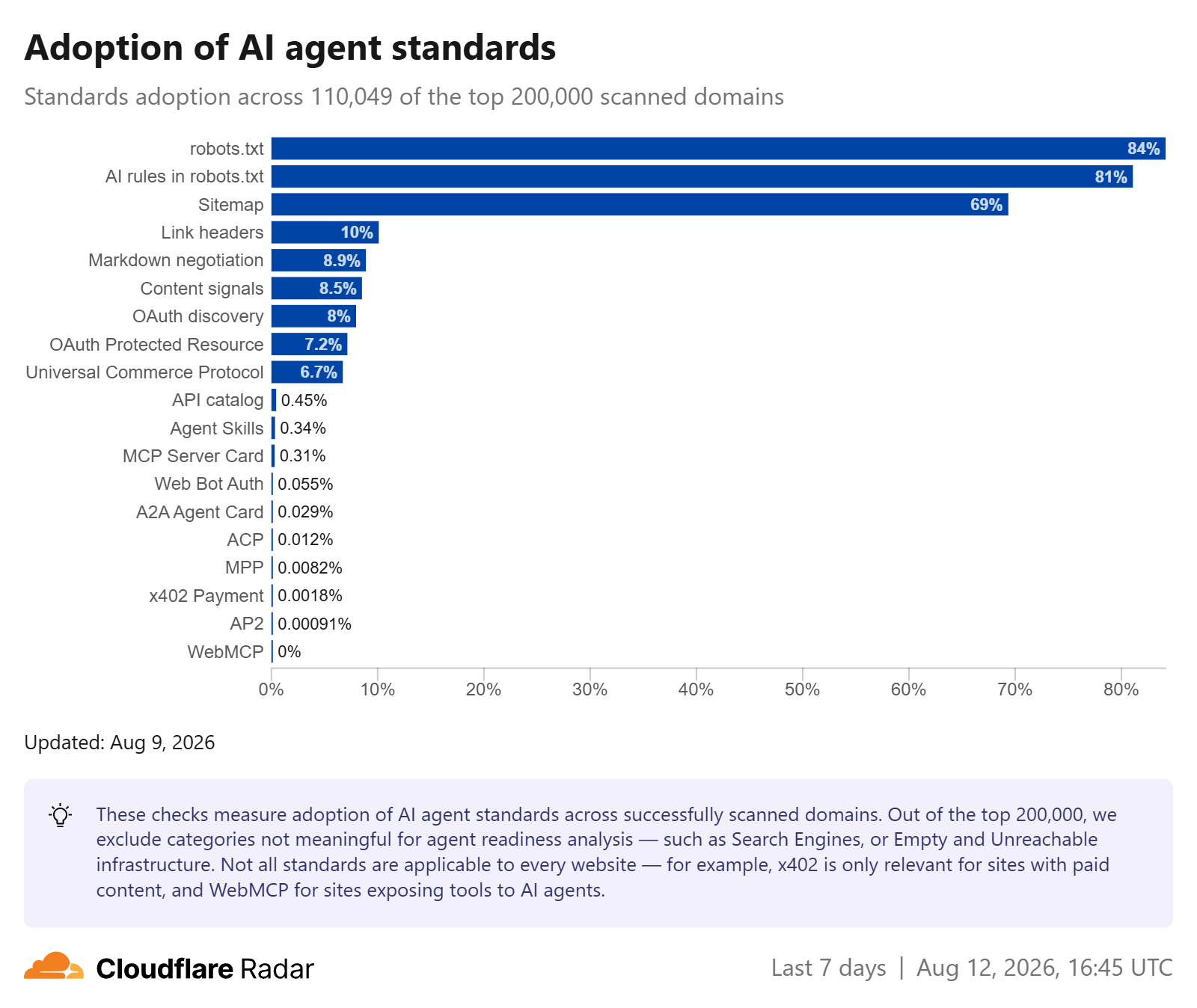
The process of ensuring that websites are scannable, understandable, and quotable in AI search engines and assistants serves as a ultimate test of classic technical SEO best practices. Facing multi-bot ecosystems operated for different purposes by platforms such as OpenAI, Anthropic, and Perplexity, it is vital for websites to review their technical infrastructure and grant access to current bots.
AI Bots and Crawlability Criteria
The rise of AI assistants has expanded the crawler ecosystem beyond Googlebot and Bingbot. Companies like Anthropic operate multiple bots with distinct behaviors—such as ClaudeBot, Claude-SearchBot, and Claude-User—for model training, information retrieval, and user-initiated queries.
Despite this, many websites continue to unwittingly block these next-generation AI bots—whose visibility they actually want to gain—due to robots.txt files that were updated years ago. According to Cloudflare Radar data, robots.txt plays a pivotal role in AI crawlability, and keeping these files up to date is essential for the proper routing of modern bot traffic.
Sectoral Reflections and Infrastructure Audits
For digital marketers and web administrators looking to establish a presence in AI search engines, the process requires the strict implementation of fundamental technical SEO disciplines rather than secret tactics. Behind visibility issues on websites lie chronic technical problems that have long suppressed search rankings. Accordingly, teams are expected to re-optimize bot access permissions, site architecture, and content delivery formats to suit the needs of AI algorithms.
Frequently Asked Questions
How does blocking AI bots via the robots.txt file affect site traffic?
Completely blocking training and search bots prevents your site from being cited as a source in AI answer engines such as ChatGPT, Claude, or Perplexity, causing you to miss out on AI-driven search traffic.
What are the differences between classical search engine optimization (SEO) and technical optimizations made for AI search?
While classical SEO typically focuses on a single primary crawler like Googlebot and indexing priorities, AI search requires access management for a family of multi-bots with different functions (training, real-time queries, crawling) as well as the presentation of content in directly quotable (summarizable) structural formats.
*This news report has been prepared based on data published by Search Engine Land.
💬 Comments
No comments yet. Be the first!
You must be logged in to comment.
🔑 Log In