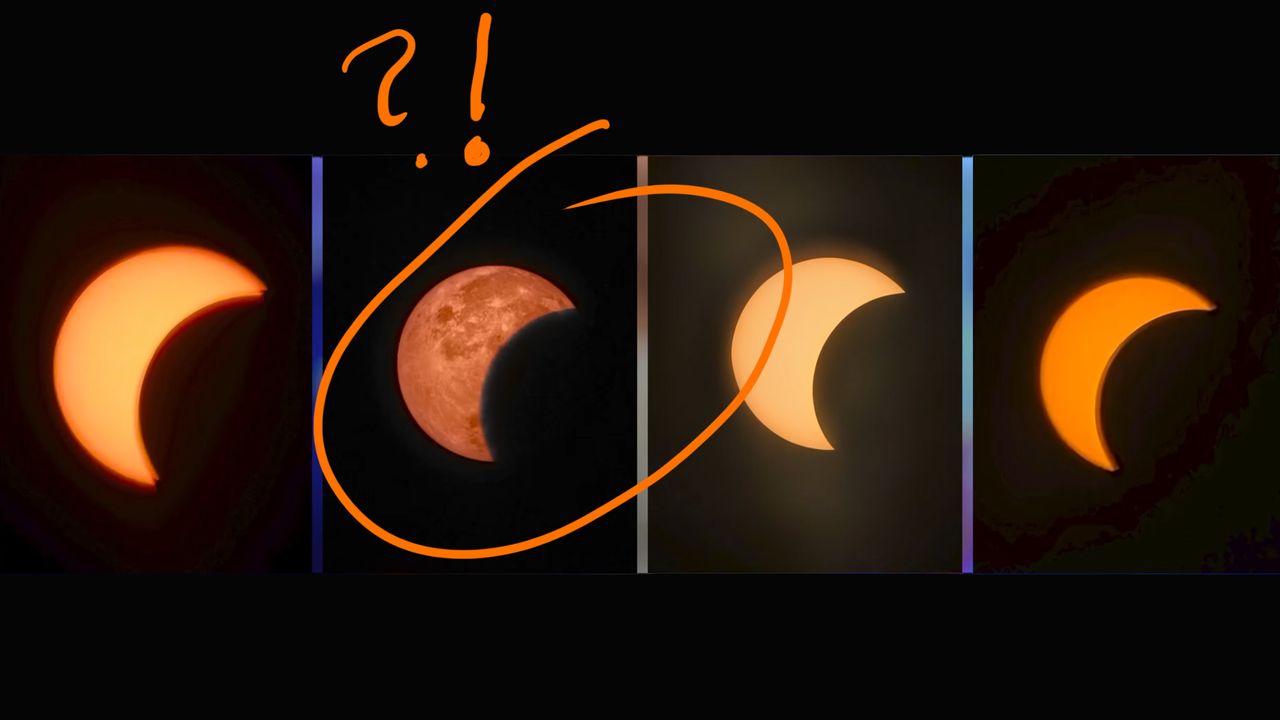
The tendency of AI-powered smartphone cameras to produce unrealistic results when capturing rare celestial events, such as solar eclipses, has once again brought the limits and reliability issues of algorithmic photography to the forefront. According to reports by Creative Bloq, while attempting to optimize natural moments in the sky, some smartphones can generate entirely artificial—and sometimes non-existent—astrological imagery.
Why Do AI-Powered Cameras Make Mistakes?
Modern smartphones rely on deep learning models and vast visual datasets to help users capture the best possible shot. These systems perform real-time operations such as enhancing detail in low light, vividifying sky colors, or recognizing objects. However, during extraordinary astronomical events like a solar eclipse—which are rarely found in training datasets—the AI attempts to fill in missing data with its own algorithmic preconceptions. Instead of recording reality, the device generates its own "idealized" version of the image, leading to amusing or blatantly false results.
Industry Implications and the Future of Mobile Photography
Such glitches are fueling debates over the gradual loss of the perception of "reality" in mobile photography. While it is clear that AI-driven enhancements make our lives easier, the fine line between fidelity in capturing a moment and software-based manipulation is blurring by the day. Industry experts consider it a critical step for manufacturers to integrate "pure modes" or transparency options into devices to limit AI intervention during extraordinary natural phenomena, thereby safeguarding the industry's credibility.
Frequently Asked Questions
How can users prevent smartphones from making AI errors during events like a solar eclipse?
In such situations, users can disable the default camera app's AI optimizations (such as scene optimization or smart HDR) or use Manual (Pro) mode to directly control settings like ISO, shutter speed, and focus.
How do these algorithmic creations affect consumer trust in the mobile photography market?
The blurring line between "real" photos and AI-generated visuals among consumers is causing them to question the reliability of their devices, particularly for moments that hold documentary value, ultimately pressuring manufacturers to offer more transparent software solutions.
*This news report was prepared based on data published by Creative Bloq.
💬 Comments
No comments yet. Be the first!
You must be logged in to comment.
🔑 Log In