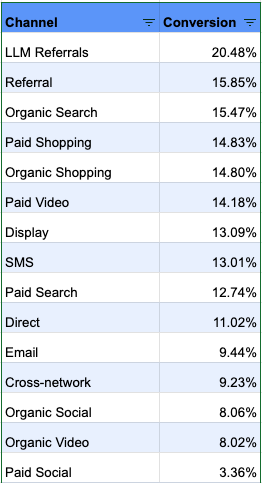
Referral traffic driven by AI-powered search engines and large language models (LLMs) has outpaced traditional paid search tactics with a 20% conversion rate, becoming the highest-performing channel in digital marketing. Data shows that the conversion rate of LLM-referred traffic is 61% higher compared to classic search ads; however, achieving this success requires understanding shifts in consumer behavior along the purchasing journey.
How User Search Habits Are Changing
The proliferation of AI-driven search tools like Google AI Mode is fundamentally transforming how consumers interact with search engines. According to research data, an average search query in AI Mode is three times longer and more detailed than traditional search queries. Furthermore, one in every six searches is conducted using voice or visual inputs. The fact that users provide much more specific context to AI is reshaping how brands reach their target audiences.
The Background Behind the Difference in Conversion Rates
In traditional search engine optimization (SEO) and Google Ads campaigns, users typically search using short keywords and begin looking for information on the landing page. In contrast, LLM referral traffic occurs in a scenario where the AI system filters and recommends a brand or product in advance through a lengthy dialogue with the user or via visual analysis. Since the user arriving at the site via a click has already passed a significant portion of the decision-making stage with the help of AI, they directly convert into a high-intent prospective customer.
Industry Implications and the Shift in Strategy
This data reveals that digital marketers need to redesign the traditional conversion funnel. Classic landing pages and ad copy may fall short of meeting the context and multi-layered directions provided to the user by AI. Brands will gain a competitive advantage by investing in in-depth, contextual content worthy of being referenced by AI algorithms, and by integrating visual search optimization into their marketing strategies.
Frequently Asked Questions
Which elements should I change on my current landing pages for AI-based traffic?
Since LLM users arrive at your site much more informed and further along in the decision-making process, your pages should focus directly on clear solutions, product comparison tables, and persuasive elements that drive quick decisions, rather than long-form informational text.
How can I incorporate AI traffic coming from visual searches and voice commands into my SEO strategy?
To gain visibility in visual searches, high-quality product images, detailed alt text, and schema markup usage are critically important, while content tailored to natural language patterns in a Q&A format should be produced for long-tail queries.
*This news article was prepared based on data published by Search Engine Land.
💬 Comments
No comments yet. Be the first!
You must be logged in to comment.
🔑 Log In