A widening "perception-reality" gap exists between the rhetoric in the artificial intelligence market and the actual needs of businesses on the ground. While media and technology circles focus heavily on systems that will completely replace human labor, corporate leaders are looking for answers to concrete questions such as efficiency, reliability, and return on investment (ROI).
Tangible Results Matter, Not Just Activity
The tech sector has long presented routine AI-driven tasks—such as drafting emails, generating summaries, or conducting research—as signs of progress. However, these activities are merely inputs and remain meaningless unless they directly produce business outcomes.
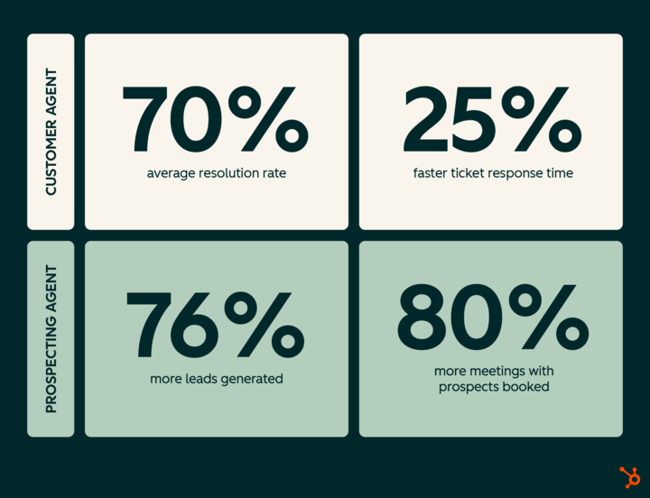
Companies achieving real success focus directly on business problems that need solving, rather than starting with model demos. For instance, according to HubSpot data, businesses utilizing AI agents in customer support processes resolve tickets 25% faster, while those using sales-focused agents can generate 76% more leads. Accordingly, outcome-based pricing models, rather than activity-based ones, are beginning to gain traction in the industry.
AI Is Necessary for Success, But Not Sufficient on Its Own
While AI tools facilitate code generation and prototype development, they do not eliminate a business's fundamental infrastructure challenges. A growing company still requires clean data, cross-application integration, and a unified view of the customer spanning marketing, sales, and service departments.
Randomly assembling single-purpose AI agents can actually increase infrastructural complexity. The organizations that succeed in the future will be those that integrate AI not as standalone tools, but as a coordinated system where data, workflows, and human teams operate within a shared context.
Industry Ramifications and Strategic Takeaways
AI investments and roadmaps are frequently shaped around large enterprises with massive budgets. While pioneering labs spend millions on integration into corporate giants' systems, this model is not always accessible or practical for the millions of growth-stage businesses in the market. This indicates that AI tools must be designed with the flexibility to adapt to the real workflows of businesses of all sizes, rather than just organizations with colossal budgets.
Frequently Asked Questions
How can companies accurately measure the return on investment (ROI) of their AI investments?
Companies should measure ROI not through "activity" metrics like drafting emails or gathering data, but through concrete business outcomes such as faster customer response times, the number of qualified leads generated, or support ticket resolution rates.
Why should an integrated platform be preferred over standalone AI agents?
Standalone agents sourced from different origins create data silos and integration issues. Holistic systems where data, workflows, and teams operate within a shared context reduce operational complexity and make efficiency sustainable.
*This news report was prepared based on data published by the HubSpot Blog.
💬 Comments
No comments yet. Be the first!
You must be logged in to comment.
🔑 Log In