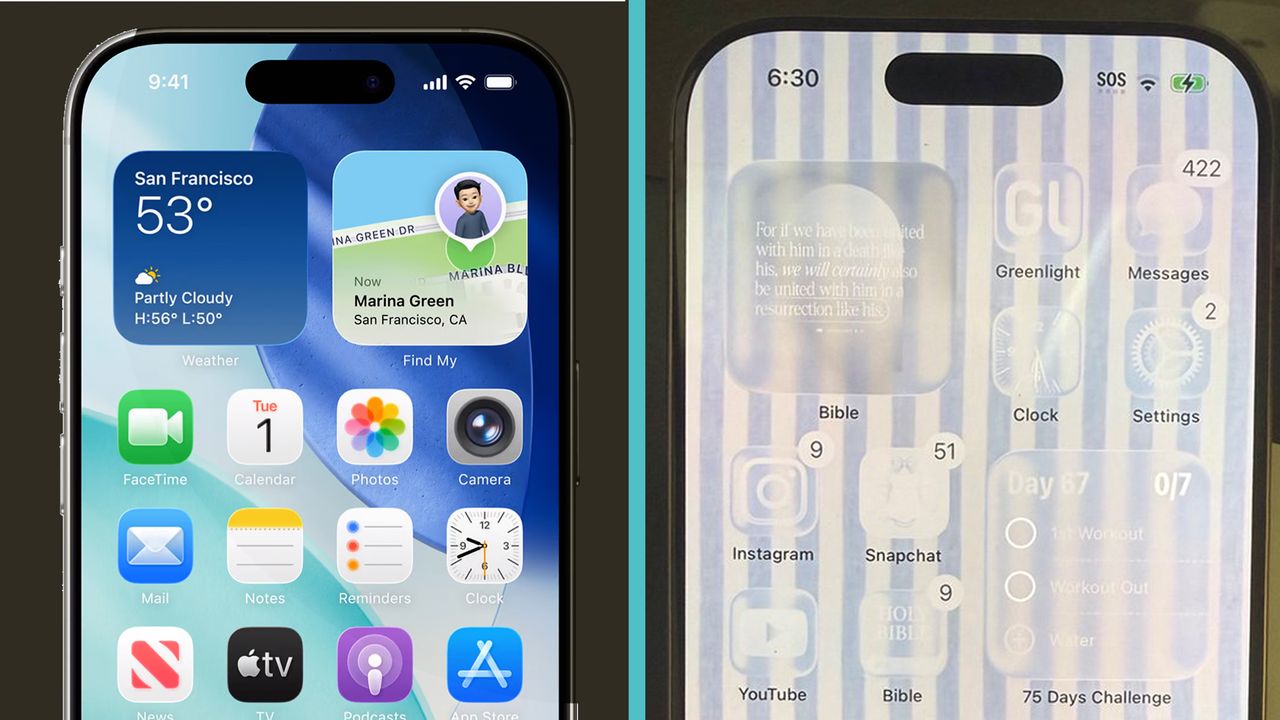
An unconventional iPhone theme designed by a 16-year-old has sparked a major debate in the digital world by upending traditional user interface (UI) design rules. Regarded as one of the boldest examples of the "anti-design" movement, this customization challenges the minimalist and dogmatic modern approach to interfaces.
The Anti-Design Movement vs. Traditional UI Rules
Modern interface design has long been built on fundamental principles such as readability, user-friendly hierarchy, intuitive navigation, and clean aesthetics. However, Generation Z’s digital aesthetic perception steps outside these rules, leaning toward chaotic, demanding, and yet deeply personalized visuals. The iPhone theme in question challenges the traditional algorithmic mindset of professional designers with its typographic clutter, non-standard button placements, and a color palette that rejects conventional contrast rules.
Industry Reflections and Impacts on the Design World
Such user-driven, fringe trends are prompting professional UI/UX designers to re-examine user expectations. Unlike standardized and cookie-cutter modern interfaces, the "anti-design" approach grants users the freedom to "mess up" and customize digital spaces entirely to their liking. This signals that future operating systems and app interfaces could evolve into much more flexible structures—or even be made entirely chaotic by the user.
Frequently Asked Questions
How does the anti-design movement affect mobile app development processes?
While this movement does not directly alter coding processes, it may force designers to further integrate flexibility and user-centric personalization options into their projects.
Could such radical themes become standard features of smartphone operating systems in the future?
Although major tech companies generally prefer clean and accessible interfaces, this demand from younger users could pave the way for more customization layers to be officially offered in the future.
*This news report was prepared based on data published by Creative Bloq.
💬 Comments
No comments yet. Be the first!
You must be logged in to comment.
🔑 Log In