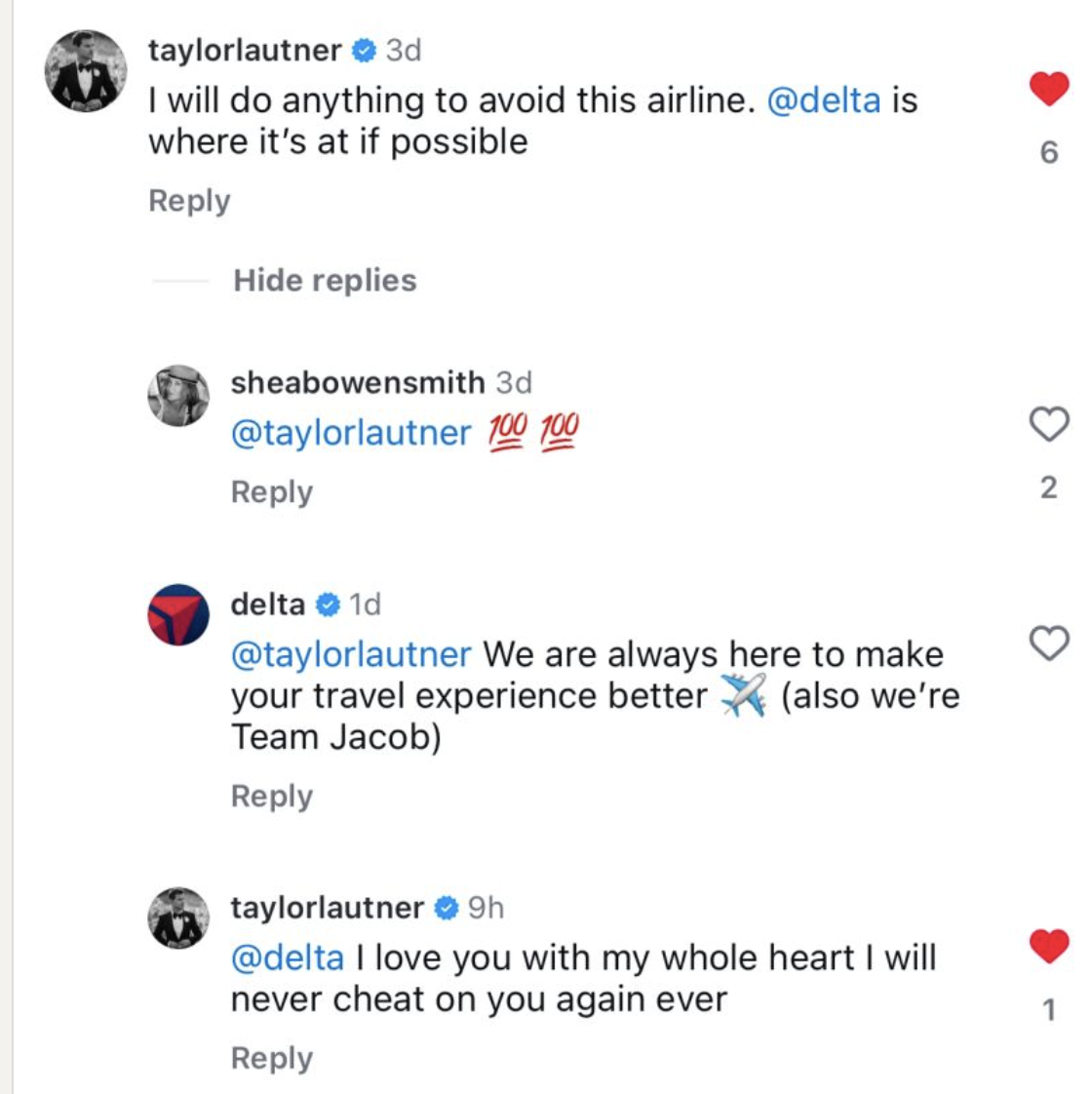
Social media customer engagement encompasses all comments, replies, messages, and every form of digital touchpoint a brand has with its customers across social platforms. Directly impacting customer loyalty, retention rates, and revenue streams, this process is evolving beyond reactive responses into a strategic advantage, particularly for large-scale enterprises.
Tool and Workflow Consolidation for Corporate Structures
Large-scale corporations require centralized systems, standardized workflows, and AI-powered tools to consistently manage interactions across different regions and channels. According to Forrester data, 83 percent of B2C marketing executives are currently working to consolidate their social media tools under a single roof. This consolidation plays a critical role in standardizing the customer experience.
Value-Driven Measurement Over Engagement Volume
Evaluating engagement solely through the volume of incoming messages or comments is insufficient to prove real business impact at the enterprise level. Accurately measuring engagement value enables businesses to optimize the customer experience over time. A documented customer experience strategy featuring clear roles, platform-specific tactics, and interconnected analytical tools transforms brands' social media presence into lasting value.
Sectoral Implications and Strategic Priorities
Corporate marketing teams need to clearly define the line between customer awareness, customer service, and direct engagement. While awareness increases brand visibility and customer service resolves existing issues, engagement goes beyond these two layers to build long-term brand loyalty. Looking toward 2026, brands that integrate omnichannel operations with AI workflows will outpace the competition.
Frequently Asked Questions
What operational advantages do enterprise companies gain by unifying their social media tools onto a single platform?
Tool consolidation allows teams across different regions to operate with a consistent voice and standardized workflows, shortens response times, and simplifies the centralized analysis of customer data.
Why is shifting from volume-driven metrics to value-driven metrics on social media important for businesses?
Tracking only incoming messages or likes does not reflect the quality of customer satisfaction; measuring the tangible impact of engagement on brand loyalty, customer retention, and revenue enables data-driven strategic decision-making.
*This report was prepared based on data published by the Hootsuite Blog.
💬 Comments
No comments yet. Be the first!
You must be logged in to comment.
🔑 Log In