Social media risk management is a strategic process that enables brands to proactively identify, evaluate, and mitigate potential dangers on social platforms, such as reputational damage, security breaches, compliance issues, and operational disruptions. Sound policies, real-time monitoring tools, and cross-departmental coordination form the foundation of this process.
Core Social Media Threats and Risk Factors
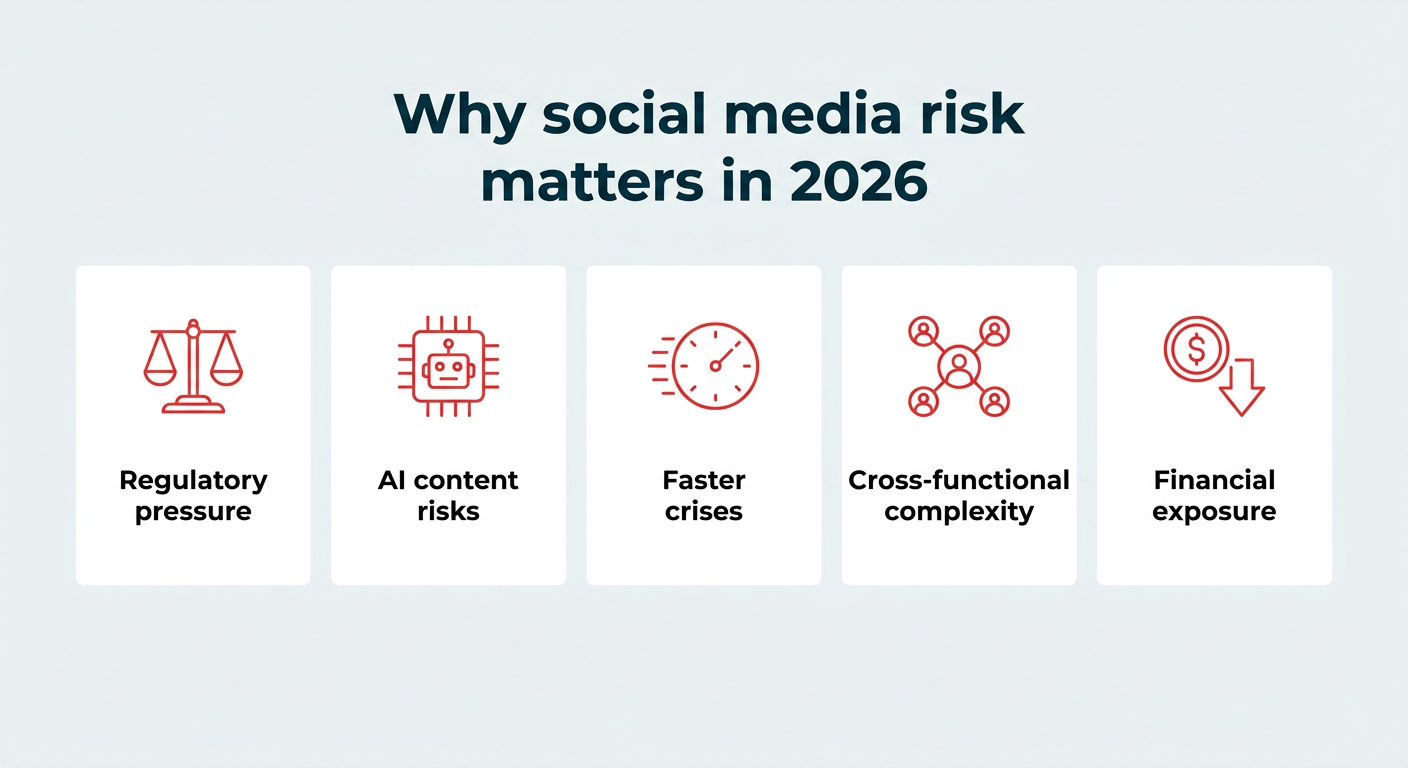
The risks businesses face in the digital world are not limited to tarnished brand image alone. The proliferation of AI-generated content, deepfakes, and impersonator accounts introduces new threats to brand security. In addition:
- Legal and Financial Pressures: Expanding data privacy laws and advertising regulations can trigger heavy penalties even for minor compliance violations.
- Security Vulnerabilities: Unauthorized access and data leaks both disrupt corporate operations and lead to financial losses.
Strategies Developed to Mitigate Risks
An effective social media risk management plan cannot be managed by a single department alone. Marketing, legal, compliance, IT, and customer service must act in concert. The key steps that enhance the success of this process include:
- Establishing clear and actionable social media policies,
- Providing regular risk and security training to employees,
- Utilizing real-time monitoring systems (such as centralized tools like Hootsuite Social OS) to catch threats before they escalate,
- Assigning specific roles and establishing regular auditing mechanisms.
Sectoral Implications and Points to Consider
The speed and reach of social media continuously increase the cost of mistakes in digital communication. Projections for 2026 indicate that it has become an absolute necessity for brands not only to produce content but also to build proactive security shields against potential crisis scenarios. Using centralized tools to detect threats early and route them to the right teams is the most critical step in preventing crises from escalating.
Frequently Asked Questions
Aside from the marketing team, which departments should play an active role in social media risk management?
In addition to marketing, the process requires the joint coordination of the legal, compliance, IT, and customer service departments.
How has the rise of artificial intelligence technologies impacted corporate social media security?
AI-based posts, deepfake videos, and impersonator accounts create new security vulnerabilities and reputational risks for brands.
*This news report has been prepared based on data published by the Hootsuite Blog.
💬 Comments
No comments yet. Be the first!
You must be logged in to comment.
🔑 Log In