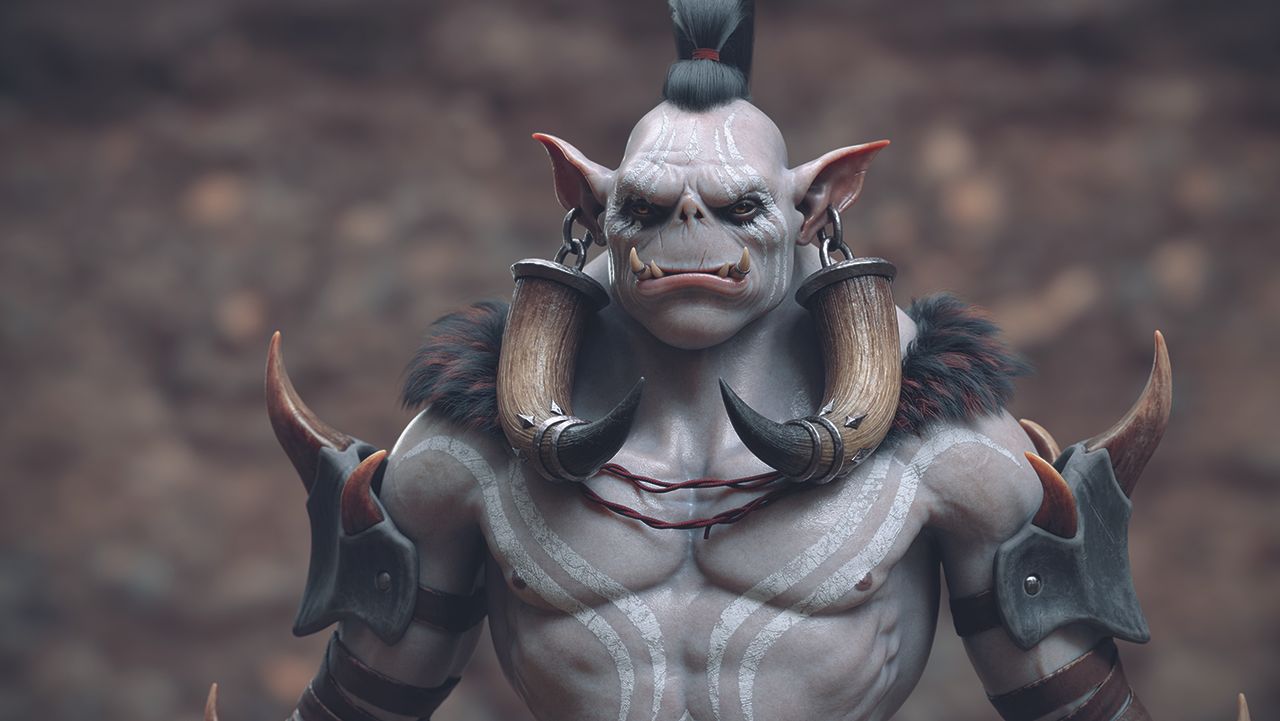
3D artist Giovane Henriques has shared new works that showcase how he pushes the boundaries of color theory and palette utilization in his digital renders. This distinctive approach offers a fresh source of inspiration, particularly for digital designers looking to build color contrast and atmosphere in visual compositions.
Color Palettes and Visual Storytelling
In the world of digital rendering, colors are used not merely to paint objects, but as a fundamental tool to create mood and depth within a scene. Henriques' work departs from traditional lighting rules in favor of experimental tonal transitions and contrasting color combinations. This technique stands out as an effective method for highlighting the form and texture of objects, especially in minimalist or futuristic spatial designs.
The Importance of an Experimental Approach in Digital Design
In 3D art, developing an aesthetic language alongside technical skills is one of the primary factors directly impacting project quality. Color experiments allow artists to break away from standard render engine settings and forge their own signature styles. Henriques' workflow provides a tangible demonstration of how the psychological impact of colors can be harnessed to direct viewer attention and establish focal points within a scene.
Industry Implications and Sources of Inspiration
In the digital art and 3D design industry, such experimental work paves the way for professionals to step out of routine projects and explore new visual languages. Artists working in advertising, concept design, and game development, in particular, can infuse their projects with originality by blending color theory with different disciplines. Henriques' practices serve as an inspiring case study for designers looking to push aesthetic boundaries.
Frequently Asked Questions
What are the most common challenges when experimenting with color in 3D render work?
The most common technical challenges are losing the balance between tones when expanding the color palette and reducing the readability of details due to oversaturation.
What steps should digital artists follow to develop their own color styles?
Alongside studying traditional color theory, artists should experiment with different lighting scenarios, test complementary color harmonies, build their own visual archives, and dedicate time to experimental projects.
*This news article was prepared based on data published by Creative Bloq.
💬 Comments
No comments yet. Be the first!
You must be logged in to comment.
🔑 Log In