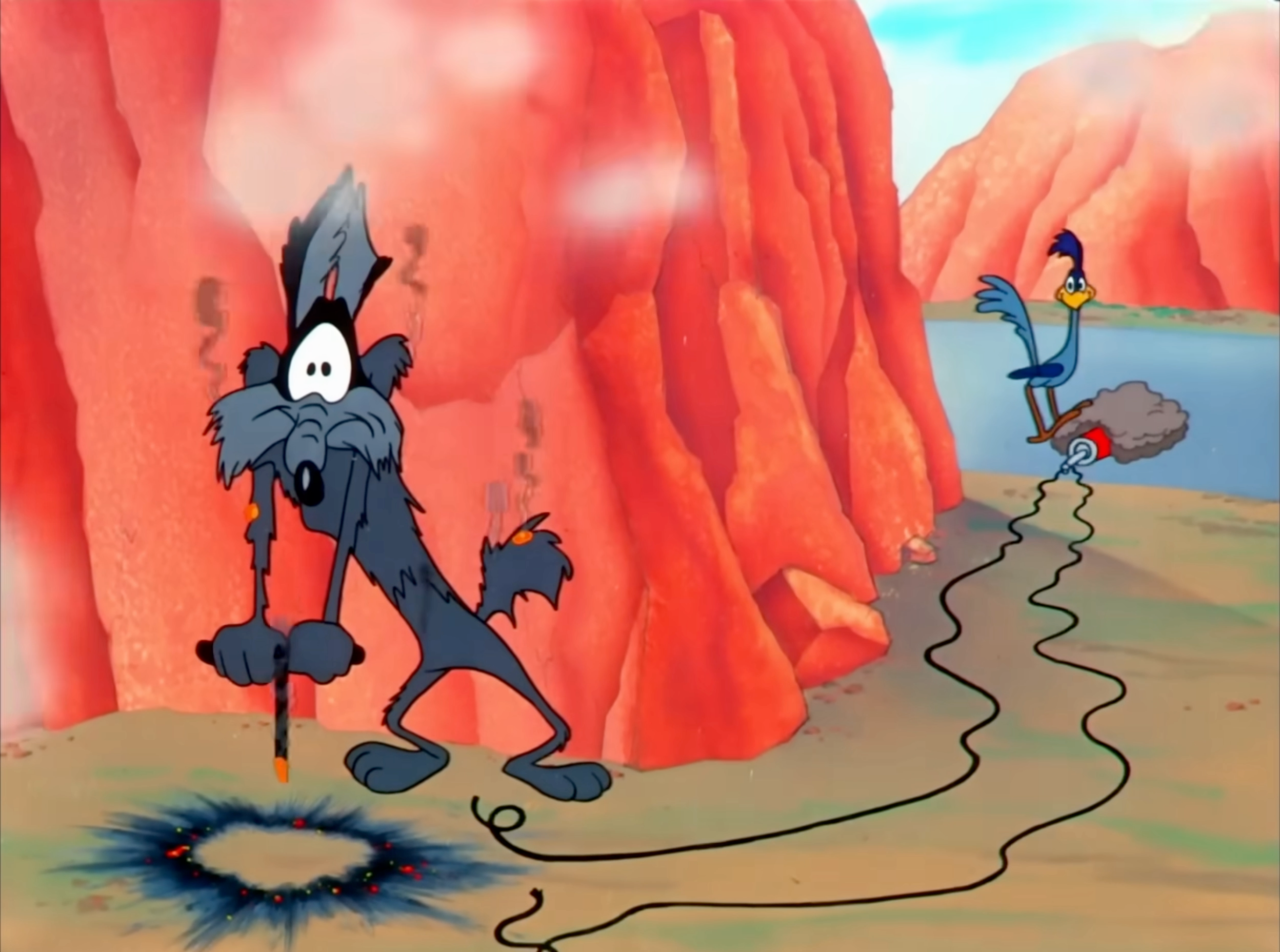
Inspired by the UX Collective article "It’s Not Your Fault, Coyote," a humorous yet thought-provoking design guide has been developed for the ACME Corporation product team, drawing on popular culture and cartoon dynamics. The guide questions user experience processes that consistently end in failure and chronic flaws in product design, focusing on the engineering and psychological foundations of building user-friendly interfaces.
Chronic Flaws in Design Processes and User Experience
Using the metaphor of ACME products from cartoons—which constantly explode, malfunction, or fail to hit the target—this approach highlights fundamental problems in digital product development. When product teams ignore user needs and design mechanisms that are overly complex or lack functionality, it can lead to similar "fiasco" results in the digital world.
The guide emphasizes that design decisions should be made not just with aesthetic concerns in mind, but by taking the user's real-world conditions and cognitive load into consideration. Rather than blaming the user for a flawed product experience, it argues that the interface and flow must be architecturally reviewed.
Industry Implications
Such conceptual and humorous approaches provide an effective framework for digital marketing and product design teams to critically evaluate their own workflows. Identifying fundamental user experience (UX) errors at an early stage both reduces development costs and directly increases customer loyalty.
Frequently Asked Questions
What problems is the ACME metaphor used to explain in digital product design?
The metaphor is used to critique complex, non-functional product architectures that are not designed with the user in mind, which cause users to constantly encounter errors or fail to reach their goals.
How can product teams benefit from such guides during design processes?
Teams can use these approaches as an awareness-building tool to address chronic UX errors from an entertaining and objective perspective, reduce interface complexity, and drive user-centric iterations.
*This report is based on data published by UX Collective.
💬 Comments
No comments yet. Be the first!
You must be logged in to comment.
🔑 Log In