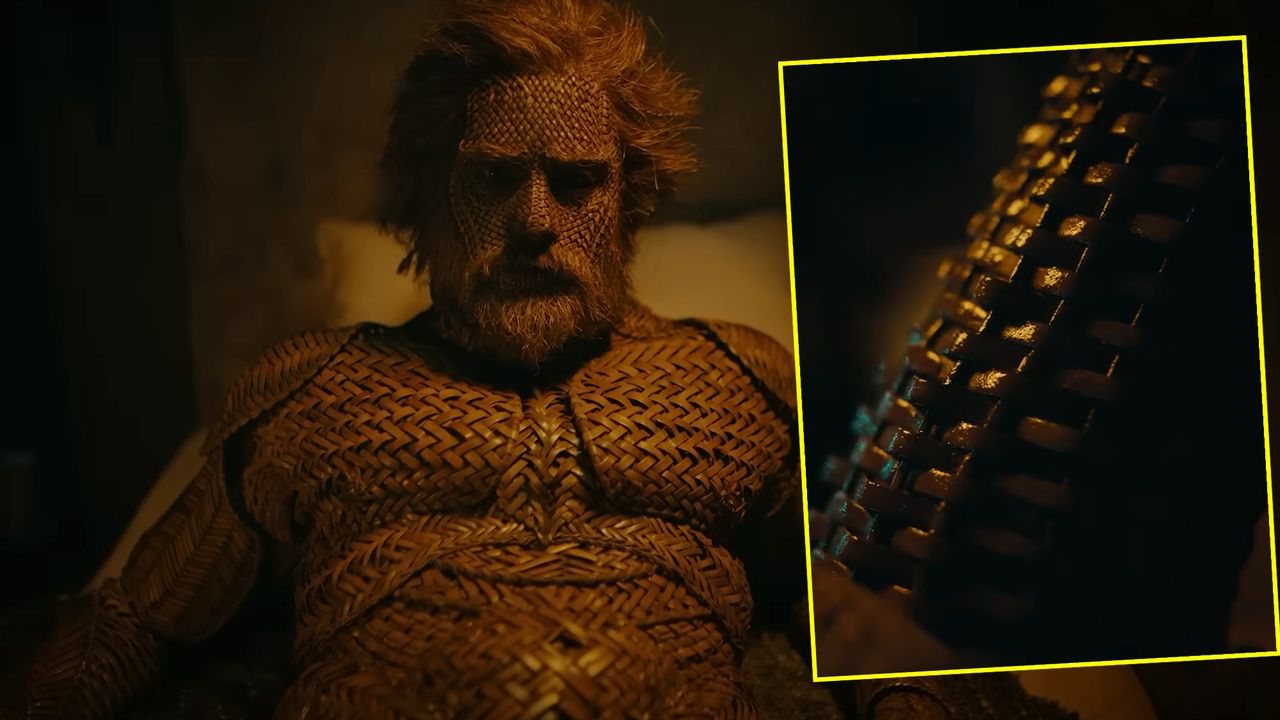
The wooden outfit worn by actor Alexander Skarsgård in the film Wicker was made almost entirely from real wood rather than visual effects. The design and production process reveals that the crew and costume designers placed a strong emphasis on practical effects.
Costume Design and Production Process
At a time when digital effects (VGI/CGI) have become standard in the film industry, the approach chosen for the production of Wicker serves as a reminder of the power of practical effects. Using a physical material instead of an entirely digital model directly impacts factors such as the actor's range of motion and the sense of texture in the scenes.
Industry Implications
In the world of digital marketing, design, and entertainment technology, interest in projects that blend the physical and the digital is clearly on the rise. As audiences and consumers become better at distinguishing between digitally generated content and uniquely crafted physical designs, the marketing and PR value of using authentic materials in production processes is also increasing. This proves that original and tangible production choices can serve as a powerful communication tool for brands and producers.
Frequently Asked Questions
Is the wooden costume in Wicker made entirely of real wood?
Yes, the costume was physically produced using almost entirely real wood materials rather than being created from scratch through digital animation.
What advantages did producing the costume from real materials instead of digital effects bring to the production?
The use of physical materials provided a more authentic visual and cinematic experience in terms of light reflections on set, texture realism, and the actor's interaction.
*This news report has been prepared based on data published by Creative Bloq.
💬 Comments
No comments yet. Be the first!
You must be logged in to comment.
🔑 Log In