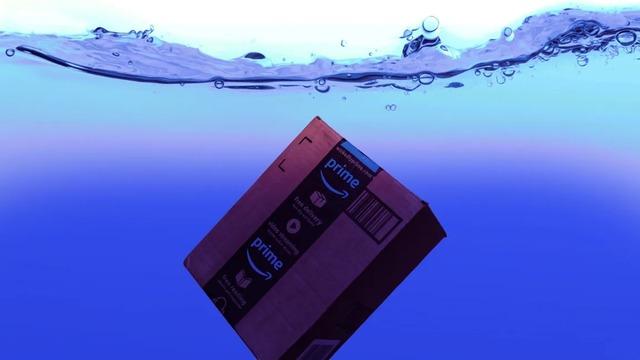
Shortly after Amazon announced plans to expand its Prime Air drone delivery service in the U.S., a Texas resident’s very first drone order ended with the autonomous aircraft dropping the package directly into a swimming pool. The incident, which went viral on social media, highlighted both the conveniences offered by autonomous delivery technologies and the operational precision issues that still need to be overcome.
How the Incident Unfolded and the Current State of the System
While stepping out into her yard in Texas to record her first drone delivery, Lindsey Austen captured the moment the autonomous aircraft missed its target and dropped the package straight into the middle of the pool. Causing no physical harm to the environment or people, the incident sparked widespread buzz on the internet.
Although Amazon states that its Prime Air service utilizes advanced "Sense and Avoid" systems and built-in sensors, this unfortunate mishap demonstrates that edge cases still persist in autonomous navigation and targeting algorithms.
Expansion Goals and Future Plans
Despite this amusing setback, Amazon aims to multiply its Prime Air service network sixfold by the end of 2026, reaching approximately 500 cities and towns across the U.S. The company maintains its commitment to delivering millions of products—such as groceries, electronics, cosmetics, and pharmaceuticals—to doorsteps within 30 minutes. Industry professionals are closely monitoring how such isolated accidents will serve as data points in reliability testing and software updates for autonomous systems.
Sectoral Reflections and Key Considerations
The widespread commercial adoption of autonomous delivery technologies requires minimizing variables such as weather conditions, geographical obstacles, and targeting precision. As seen in the Amazon example, technical glitches occurring at the initial point of consumer contact once again underscore the importance of how brands operationally manage both their software infrastructure and potential customer dissatisfaction scenarios, such as product returns or damage compensation.
Frequently Asked Questions
What technologies do Amazon's Prime Air drones use when dropping off packages?
The system utilizes advanced "Sense and Avoid" technology and built-in sensors for flight safety and target detection.
How is the consumer compensated for damaged goods in such faulty deliveries?
Amazon's standard customer service policies and damage/loss procedures established for autonomous operations come into play to ensure the product is replaced or refunded.
*This news was prepared based on data published by Webtekno — Artificial Intelligence.
💬 Comments
No comments yet. Be the first!
You must be logged in to comment.
🔑 Log In