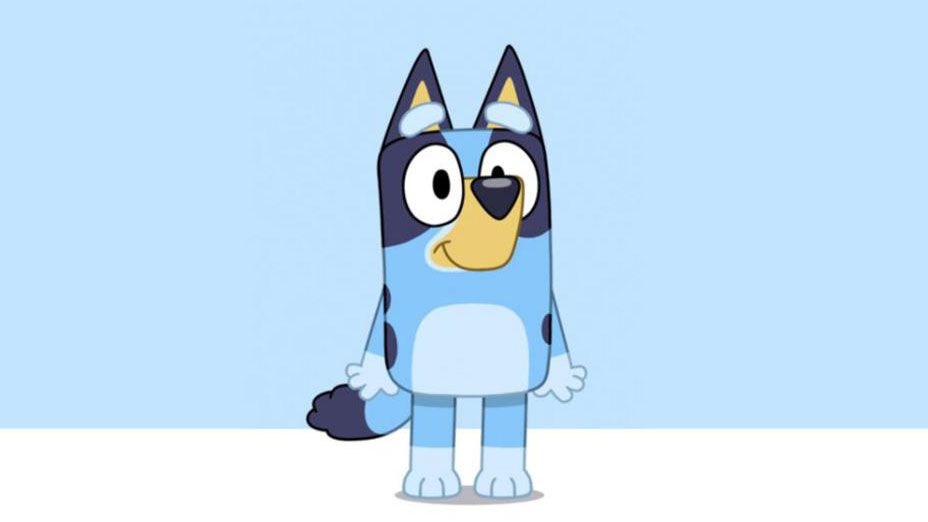
Concerns that Disney might alter the visual style of its popular animated series Bluey have sparked a fresh debate among fans and design authorities regarding the future of 2D animation in cinema. According to insights published on Creative Bloq, experts emphasize the need to break the forced association between quality and three-dimensional (3D) productions in the film world, highlighting the importance of preserving original drawing styles.
Why is Preserving the Original Design Important?
An authentic and minimalist 2D cartoon aesthetic, such as that of Bluey, is a key element that directly supports the characters' emotional connection and narrative language. Moves by producers or broadcasters to transition such artistic productions into a 3D format or alter their visual texture under the guise of modernization are generally met with backlash from the series' loyal fanbase. As frequently emphasized in the design world, cinema or high-budget animation does not always have to be three-dimensional; sometimes, two-dimensional simplicity is the most powerful tool for storytelling.
Sectoral Reflections and Visual Storytelling Preferences
In the world of digital marketing and content creation, visual fidelity forms the foundation of the trust relationship that brands and productions build with their target audiences. The debates sparked by the Bluey case once again demonstrate how much viewers value the preservation of the aesthetic codes they are familiar with and love. Although design trends are constantly evolving, maintaining the original spirit in emotion-driven industries like animation remains one of the most critical factors determining long-term loyalty.
Frequently Asked Questions
Why does the conversion of 2D animations like Bluey into a 3D format worry the fan base?
Viewers are attached to the original drawing style, which preserves the characters' initial emotional depth, humor, and unique visual identity; altering this style can disrupt aesthetic harmony.
Why is the perception that "every production must be 3D" in the cinema and animation industry criticized?
Because the success of storytelling relies not on the number of dimensions, but on the script, character development, and original art direction; a 2D aesthetic can sometimes offer a much more effective visual language than 3D.
*This news report has been prepared based on data published by Creative Bloq.
💬 Comments
No comments yet. Be the first!
You must be logged in to comment.
🔑 Log In