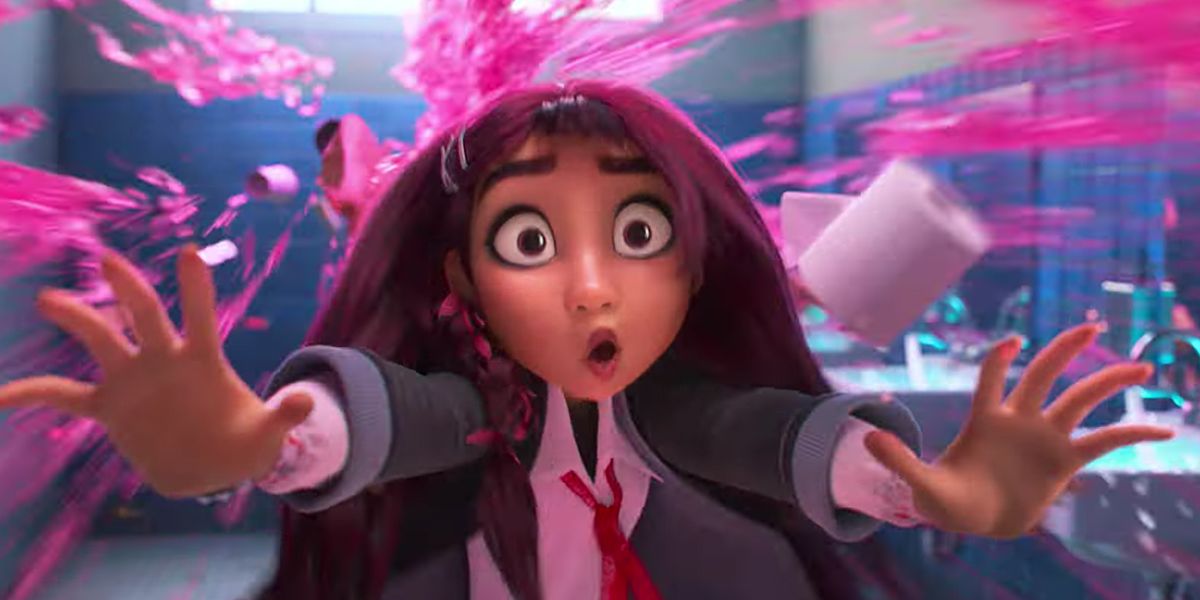
Disney’s new visual design, "Hexed," faced harsh criticism from some circles when it was first announced, but a recently published detailed shot breakdown revealed that the design adheres strictly to traditional animation principles. Sparking debates in the design and animation world, this work offers a fresh perspective on how modern aesthetic perception blends with classic techniques.
The Fundamentals of Traditional Animation and the Structure of Hexed
Published detailed analyses show that the visual approach behind Hexed is not random; rather, it incorporates the core rules of classical animation discipline. Timeless principles such as movement, timing, and squash and stretch have been adapted to this design in a digital environment to establish an aesthetic balance. It turns out that the visual elements that initially drew backlash were actually deliberate technical choices made to enhance the fluidity and readability of the animation.
The Clash of Perception and Criticism in the Digital Design World
In popular culture and major studio projects, even the slightest stylistic shift can be met with swift and sometimes ruthless criticism from communities. The Hexed example clearly highlights the gap between a work's initial visual impression and its technical foundation in the era of digital design and AI-assisted content production. Experts draw attention to the importance of looking beyond immediate reactions to examine the technical and theoretical rationales behind designs.
Sectoral Reflections
Such debates prove once again how delicate visual communication strategies are in digital marketing and brand identity-building processes. Although innovative steps by major brands may initially cause confusion in the target audience, transparently sharing technical details and the underlying design philosophy can positively shift perception. For design professionals, this demonstrates that explaining the rationale behind visual choices to the target audience is essential.
Frequently Asked Questions
At what stage is it understood whether a design or animation complies with "classical principles"?
Rather than initial aesthetic reactions, this is understood through detailed shot breakdowns and layer analyses that examine technical elements such as motion flow, center of gravity, timing, and proportion balance.
How do prejudiced criticisms of major brands' stylistic changes affect design processes?
Such reactions sometimes pull brands toward overly safe and conventional areas, while other times they encourage designers to develop transparent communication strategies to better explain innovative techniques to the public.
*This news story was prepared based on data published by Creative Bloq.
💬 Comments
No comments yet. Be the first!
You must be logged in to comment.
🔑 Log In