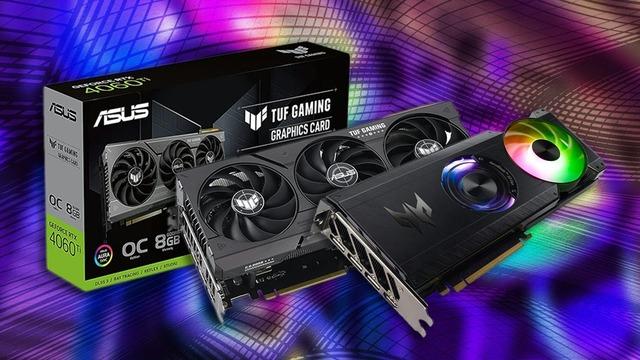
Due to soaring demand for artificial intelligence infrastructure and rising RAM costs, severe supply shortages and higher average selling prices are expected for entry-level graphics cards starting in the second half of 2026. The first-half report shared by PC Partner Group—the parent company of brands like Zotac, Inno3D, and Manli—highlights the ongoing contraction in the budget-friendly hardware market.
Key Drivers Behind the Price Increases
The main catalyst for shortages and rising costs in the budget GPU market is the immense pressure placed on GDDR6 and GDDR7 memory stocks by hyperscale data centers. It is not just graphics memory; lead times for processors, standard DRAM, and other essential components are also lengthening, disrupting manufacturers' production pipelines. This supply bottleneck has already caused next-generation entry-level models, such as AMD’s RTX 5050 and RX 9050, to be listed above their recommended retail prices.
Financial Picture and Impact on Sales Volume
Despite component supply challenges, manufacturers have managed to maintain financial profitability. Although PC Partner experienced a decline in graphics card sales volume during the first half of the year, it offset this loss thanks to a 10.7% increase in average selling prices. The company's total revenue grew by 1.5% to reach $820 million, while its net profit doubled compared to the same period last year, climbing to $69.5 million.
Industry Implications and Global Markets
The domination of the hardware market by AI data centers is shifting cost dynamics globally across consumer electronics and PC segments. As memory manufacturers shift their capacity toward enterprise and AI-focused solutions, building budget-friendly systems is becoming more expensive for individual consumers, raising accessibility issues industry-wide.
Frequently Asked Questions
Why and how do AI data centers affect entry-level graphics card prices?
Data centers are heavily consuming GDDR6 and GDDR7 memory inventories to build high-performance AI infrastructure. This squeezes the supply of memory used in budget GPUs, driving up production costs and end-user prices.
C2 (A2): Since no major relief in memory supply is expected in the short term, supply constraints for entry-level hardware will persist. Therefore, gamers are advised to closely monitor price fluctuations and adjust their budget planning according to current component costs.
*This news article was prepared based on data published by Webtekno — Artificial Intelligence.
💬 Comments
No comments yet. Be the first!
You must be logged in to comment.
🔑 Log In