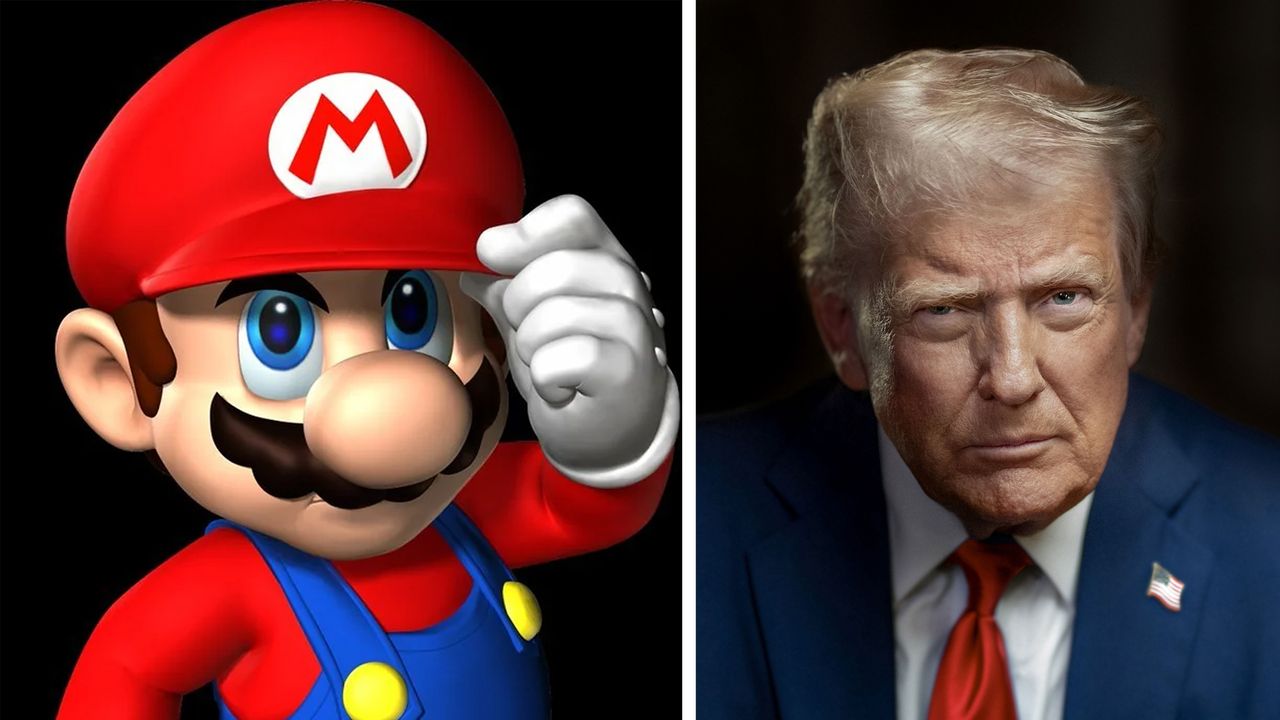
Japanese government officials have called on the White House to stop using iconic Japanese art and pop culture elements, such as Super Mario, without authorization in its "Make America Great Again" campaign. Authorities have conveyed their discomfort to the US administration over the appearance of these copyrighted figures, which represent the nation's cultural heritage, in politically charged videos.
Reasons Behind the Diplomatic Reaction
Super Mario and similar popular Japanese video game characters are not only pillars of the entertainment industry but also key components of Japan's global cultural diplomacy and soft power. The out-of-context use of these figures in US election campaigns or political propaganda has sparked debate regarding copyright laws as well as sensitivities surrounding cultural representation. This move by Japanese officials represents a clear stance on the need to protect intellectual property rights in political campaigns at the international level.
Industry Implications and the Emphasis on Intellectual Property
While leveraging pop culture elements in digital marketing and campaign management is a common tactic to reach wide audiences, copyright and licensing boundaries are frequently violated. This development once again highlights the importance of respecting copyrights and cultural symbols for political parties, brands, and agencies operating globally. Especially in today's digital ecosystem—where AI-generated visuals and popular characters are consumed rapidly—this incident has reaffirmed just how critical official authorization processes and brand security are.
Frequently Asked Questions
Is Japan's request legally binding under international copyright law?
Rather than a formal lawsuit, this request serves as a diplomatic warning; however, since copyrights are protected by international agreements, rights holders always retain the right to take legal action.
What risks are involved in using pop culture characters in political campaigns?
Unauthorized usage without official permission from the relevant institutions or artists poses risks such as copyright infringement, damage to brand value, and the triggering of international diplomatic crises.
*This news report has been prepared based on data published by Creative Bloq.
💬 Comments
No comments yet. Be the first!
You must be logged in to comment.
🔑 Log In