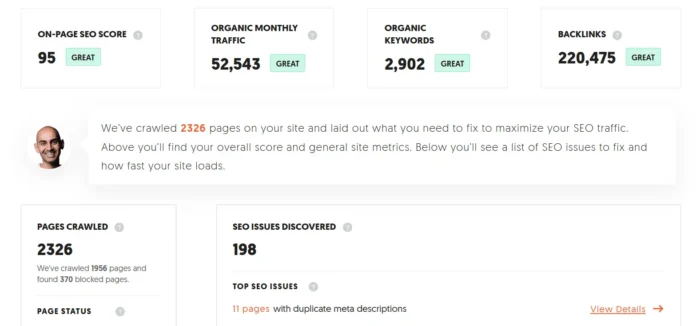
An SEO audit is a comprehensive analysis of a website’s technical health, content quality, backlinks, and visibility on modern AI-powered search engines. This process helps identify obstacles causing ranking drops and determines the optimizations needed to improve the site's search engine performance.
Scope of an SEO Audit and Required Tools
An SEO audit reveals how accessible and understandable a site is to both search engines and users. A thorough review covers these core areas:
- Technical SEO: Site speed, indexing status, and code errors.
- On-Page SEO: Meta titles, keyword placement, and content gaps.
- Off-Page Factors: Backlink profile quality and E-E-A-T criteria.
- AI Visibility: Performance on next-generation platforms like Google AI Overviews and ChatGPT Search.
To keep this process manageable, industry-standard tools such as Ubersuggest, Ahrefs, Screaming Frog, Google Search Console (GSC), and PageSpeed Insights are utilized.
How Often Should an Audit Be Performed?
The frequency of audits varies depending on the size of the website and its rate of change:
- Full-Scale Audit: The entire site should be crawled in detail at least once a year.
- Quarterly Checks: Periodic reviews should be conducted every three months for large or dynamically structured websites.
- Mini-Audits: Quick checks should be performed after major site updates or when experiencing sudden drops in organic traffic.
Industry Implications and Strategic Takeaways
As search engine algorithms evolve toward AI-driven search results in the digital marketing world, websites are required to go beyond mere classical keyword optimization. Integrating AI search engine visibility alongside traditional technical audits has become a strategic necessity for brands to protect their digital assets and gain a competitive edge in search results.
Frequently Asked Questions
How long does an SEO audit typically take for a website?
The duration varies based on the site's size and technical complexity. While small websites can be audited in a few hours, this process can take a week or longer for large platforms with thousands of pages.
Which issues should be addressed first following an SEO audit?
Priority should always be given to critical technical errors that prevent search engines from crawling and indexing the site (such as indexing issues and low site speed); missing content and meta optimizations should be tackled afterward.
*This article was prepared based on data published by the Neil Patel Blog.
💬 Comments
No comments yet. Be the first!
You must be logged in to comment.
🔑 Log In