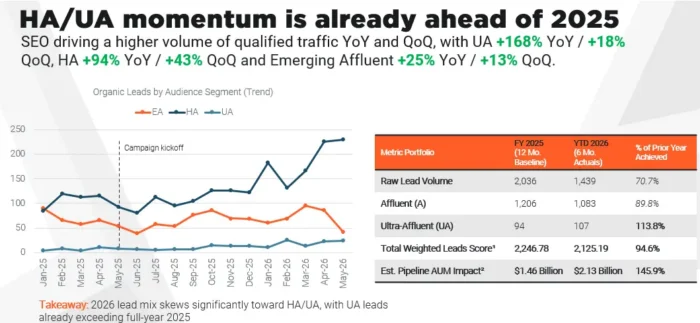
Audience-First SEO is a strategic approach that shifts the focus of traditional search engine optimization away from broad keywords and directly onto high-value, revenue-generating target audiences. According to data published by the Neil Patel Blog, this method reshapes content and keyword strategies around the search intent of specific audiences rather than general topic headings.
From Traditional SEO to an Audience-First Approach
For years, search engine optimization programs have been organized around topic clusters and keyword volumes, whereas paid media teams have always started with audience analysis. In traditional methods, a broad topic like "wealth management" attempts to simultaneously target an individual building an emergency fund, an entrepreneur preparing to hand over their business, or an investor managing multigenerational wealth. This results in audiences with vastly different intents getting bogged down in a single piece of content, leading to lower conversion rates.
Audience-First SEO reverses this process. The tactics (keyword research, content gap analysis, and TAM—total addressable market analysis) remain the same; however, the organizing principle behind these analyses changes. The process does not begin by searching for high-search-volume terms, but rather by defining who the most valuable audience is for the business.
Sectoral and Operational Advantages of the Strategy
Brands that adopt this approach experience growth among directly converting audiences rather than seeing a random surge in overall traffic volume. Integrated marketing agencies, in particular, hold a major advantage under this model because pre-existing paid media audience research can be directly leveraged to fuel the SEO strategy.
Because the same audience research reveals the channels where users spend the most time digitally, it also directly shapes Digital PR targeting. As a result, brands can more clearly reach the right segments within a search ecosystem fragmented across organic search, AI-generated responses, and social media.
Industry Implications and Strategic Takeaways
In today's rapidly evolving landscape of search engines and user habits, practicing audience-driven optimization rather than volume-driven content creation directly improves traffic quality. Asking the question, "Which audience with exact commercial value will read this content?" before moving on to keyword research maximizes the efficiency of organic marketing budgets.
Frequently Asked Questions
Is the existing keyword research process completely discarded when transitioning to an Audience-First SEO approach?
No, the tactics used (keyword analysis, content gap identification, etc.) remain the same. What changes is the priority sequence and filter through which these researches are applied; in other words, the focus shifts from search volume to audience value.
Once paid media data is integrated into the organic search (SEO) strategy, which channels benefit the most?
This integration provides tangible advantages primarily in content planning, search intent mapping, and Digital PR targeting, accelerating the identification of where the right audience spends time online.
*This news report has been prepared based on data published by the Neil Patel Blog.
💬 Comments
No comments yet. Be the first!
You must be logged in to comment.
🔑 Log In