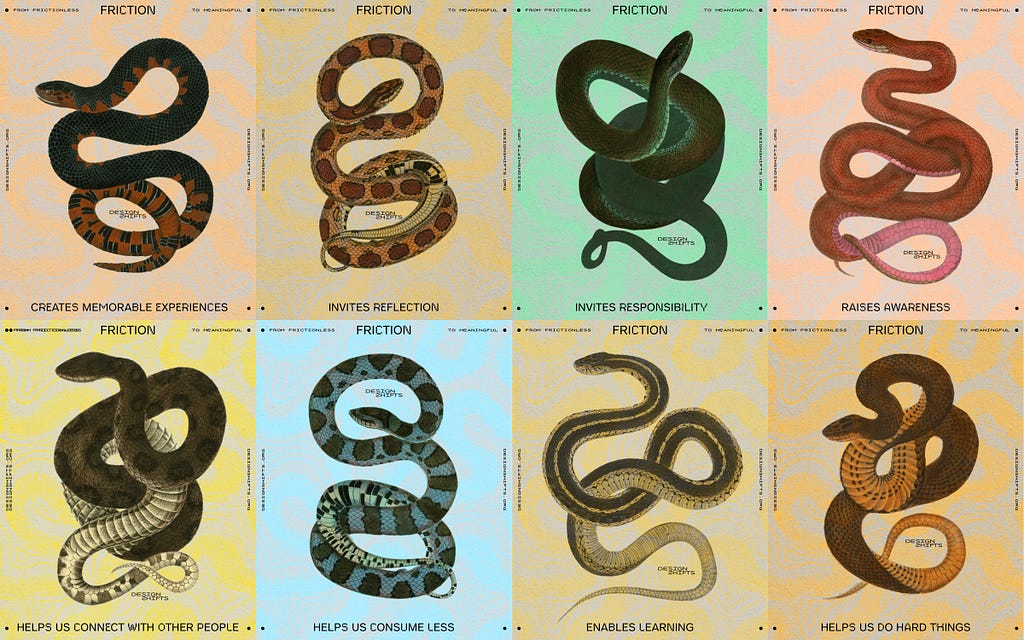
Although "frictionless" experiences have long been accepted as the ultimate benchmark of success in digital product design, recent discussions suggest this approach drives users toward forgettable experiences. According to data from UX Collective, while the effort to eliminate every kind of difficulty and barrier in design processes leads products and experiences to become forgetful, intentionally added friction elements enhance memorability, depth, and meaning.
The Limits of the "Frictionless" Approach in Design
Traditional digital design philosophy, rooted in Steve Krug’s "Don’t Make Me Think" paradigm, aims to allow users to complete tasks on interfaces without cognitive effort. The goal is to reduce click counts, simplify forms, and remove all potential barriers.
However, this approach does not always benefit the user. Systems where friction is entirely eradicated cause users to feel alienated from the product, leaving the experience unmemorable. A flow devoid of challenges prevents individuals from connecting with the moment and taking ownership of the product.
What Friction Brings to Design and Experience
Concepts in the design world such as the "effort heuristic" and the IKEA effect prove that people value things they invest effort into more. Small, consciously designed challenges or moments of reflection drive the following positive transformations in digital products and life:
- Permanence and Memorability: While things obtained easily are quickly forgotten, small challenges that must be overcome make the experience unforgettable.
- Reflective Thinking: By prompting users to pause and think instead of clicking blindly, it lays the groundwork for making conscious decisions.
- Responsibility and Awareness: By slowing down consumption habits, it supports more sustainable and conscious user behaviors.
- Connection: When users complete a process together or overcome difficulties, it strengthens community ties and loyalty to the product.
Industry Implications and Key Considerations
For product developers and UX designers, this situation introduces the necessity of finding the balance between creating "meaningful barriers" rather than making the user experience entirely "barrier-free." A clear distinction must be made between faulty interface friction that exhausts and confuses the user, and intentional friction elements that capture user attention, foster focus, and enable value creation. The successful digital products of the future will emerge among designs that do not merely offer speed, but provide users with the space to pause, reflect, and create value.
Frequently Asked Questions
Does a friction-based design approach negatively impact user metrics (conversion rates, etc.)?
The goal is not to obstruct the user, but to induce mindful deceleration. Properly structured, controlled friction may slightly impact immediate conversions, but it increases long-term brand loyalty, product attachment, and user satisfaction.
How can intentional friction be integrated into a digital product?
It can be implemented by adding confirmation steps, informative texts, or micro-interactions that prompt the user to briefly reflect before approving an action at critical decision points (such as subscription cancellations, major data deletions, or financial transfers).
*This news report has been prepared based on data published by UX Collective.
💬 Comments
No comments yet. Be the first!
You must be logged in to comment.
🔑 Log In