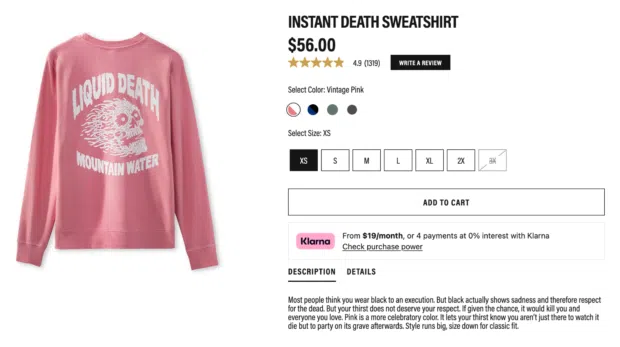
Brand messaging is the way a company communicates its value, personality, and purpose to its target audience through words. Far more than just a tagline, this structure encompasses a value proposition, core messaging pillars, tone of voice guidelines, and proof points, enabling businesses to stand out in crowded markets.
Key Building Blocks of a Strong Messaging Framework
Building an effective brand language requires a systematic approach rather than picking random words. To make a difference in today's market, where many brands use similar sentences, the following elements must come together:
- Mission Statement: Clarifies the company's reason for being and its long-term purpose for society or customers.
- Value Proposition: Clearly demonstrates why customers should choose this brand over its competitors.
- Messaging Pillars: Three to four main focus points or core themes upon which communication is built.
- Voice and Tone Guidelines: Determines how the brand's character (e.g., friendly, authoritative, innovative) is reflected in written texts.
- Proof Points: Data, case studies, or customer success stories that back up claims.
Frequently Confused Concepts: Positioning, Messaging, and Tone of Voice
These three concepts, often used interchangeably in marketing strategies, actually serve different functions. To build a correct strategy, it is essential to clearly draw the lines between them:
- Brand Positioning: Defines your place in the market, the audience you serve, and your competitive advantage.
- Brand Messaging: The process of putting this strategic position and value into words.
- Brand Voice: Determines the tone of style and personality used while communicating.
Sectoral Reflections and the Need for Authenticity
One of the biggest traps for marketing teams is copying the generic phrases used by competitors. If all players in an industry make the same promises, there is no distinguishing factor left for customers. A strong messaging framework allows companies to center their own unique values and adopt a consistent, authentic language across websites, social media posts, and customer service correspondence alike.
Frequently Asked Questions
Should companies use their general brand messaging in the exact same way across all social media platforms?
Core values and brand identity must remain constant; however, the tone and presentation of the message should be adapted to the dynamics of the platform (such as the differences between LinkedIn and TikTok).
How long does it take to renew an existing brand's communication language, and where should one start?
The timeline varies depending on the scale of the company; the first step typically involves analyzing current perception, filtering out generic expressions, and creating a guideline that redefines the core value proposition.
*This news article was prepared based on data published by the Hootsuite Blog.
💬 Comments
No comments yet. Be the first!
You must be logged in to comment.
🔑 Log In