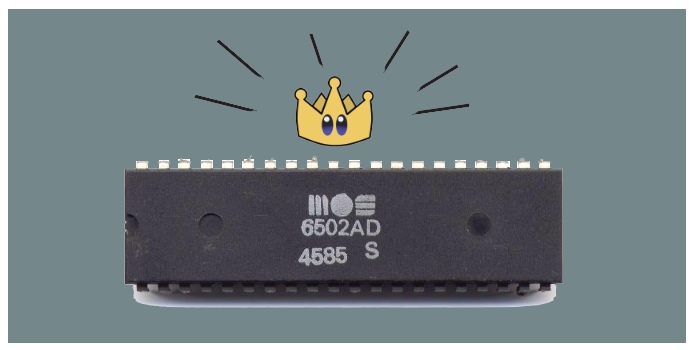
The processing power of the MOS 6502 microprocessor and affordable 1970s calculator chips, blended with arcade game user interface (UI) concepts, is forging a retro yet functional bridge in the digital design world. An analysis shared by UX Collective reveals how these historical technologies continue to inspire modern digital product development processes and interface aesthetics.
The Reflection of Historical Hardware on Modern Interfaces
Released in the 1970s, economical semiconductors and chip technologies like the MOS 6502 forced developers to achieve maximum efficiency with the limited hardware constraints of the era. The fast, intuitive, and striking user interfaces found in arcade halls, combined with this limited processing power, were truly groundbreaking at the time. In today's digital product design, this nostalgic approach remains more than just a visual element; it also guides modern designers by upholding the principle of delivering maximum user experience (UX) with minimum resources.
Industry Implications
The resurgence of retro aesthetics and 8-bit culture in the digital marketing and design worlds makes it easier for brands to establish an emotional connection with users. Creative design solutions born from hardware limitations continue to serve as a source of inspiration today when designing low-bandwidth mobile applications or interfaces that require fast loading times. Such historical integrations offer practical approaches that increase user interaction duration and interface satisfaction with digital products.
Frequently Asked Questions
How does the chip architecture of the 1970s influence today's complex UX designs?
The period's necessity to achieve maximum functionality with limited resources inspires modern designers in areas such as mobile speed optimization and creating streamlined user flows.
How can arcade game interface principles be adapted to modern web and mobile applications?
Arcade elements—such as easy-to-understand visual cues, rapid feedback mechanisms, and minimalist information architecture—can be utilized to boost user engagement in digital products.
*This report was prepared based on data published by UX Collective.
💬 Comments
No comments yet. Be the first!
You must be logged in to comment.
🔑 Log In