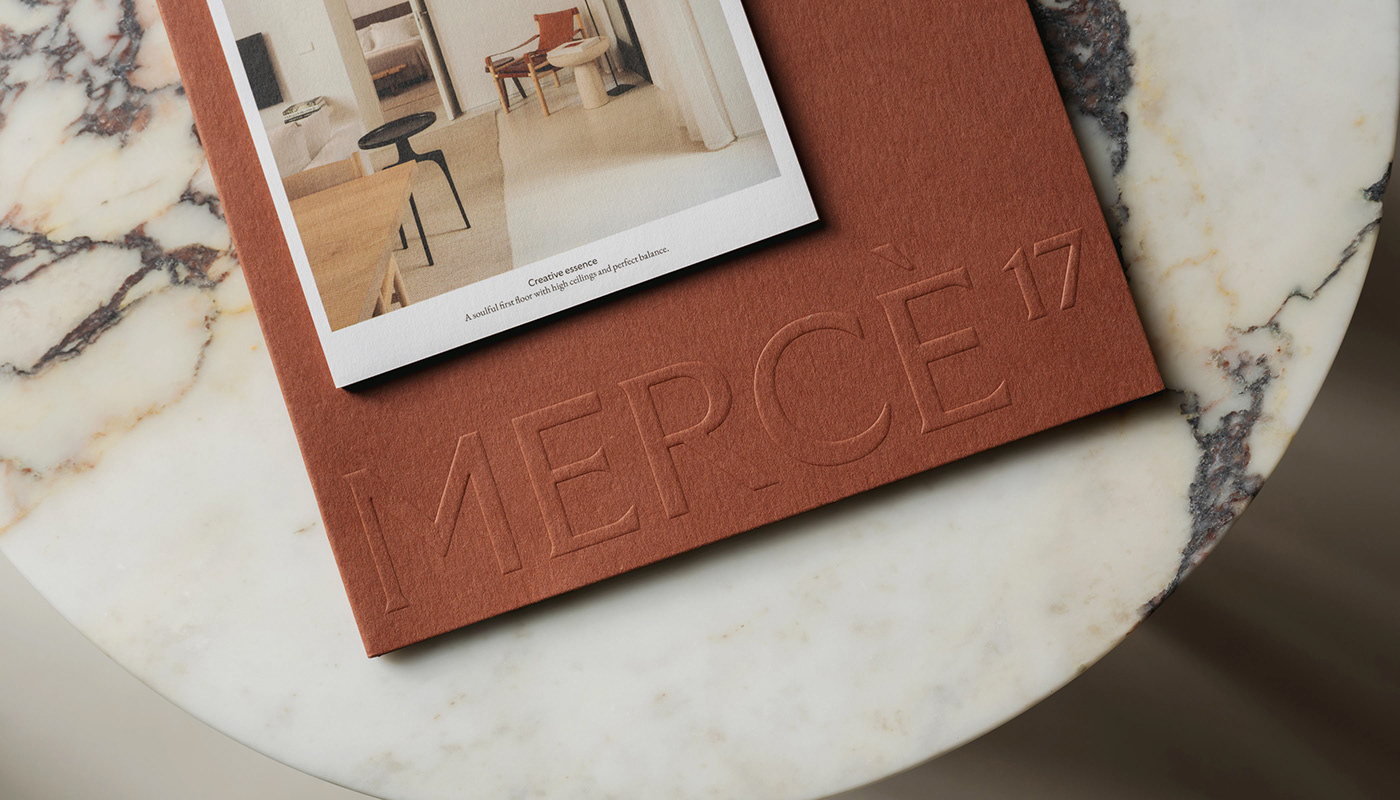
Designer Roser Padrés has created an innovative visual identity system for the Mercè 17 project, prioritizing physical and tactile perception. This novel approach aims to move beyond digital screens, offering users a tangible, material-driven, and sensory experience.
A Tactile Approach and System Dynamics in Design
Moving away from conventional flat graphic design, the identity for the Mercè 17 project establishes a framework where textures and forms take center stage. By focusing on material selection and surface details, Roser Padrés brings the brand's identity to life in a concrete form.
The system allows viewers and users to experience the design not just visually, but through a simulated sense of touch conveyed by visual cues. The typography and color palette are kept minimalist and functional to support this tactile structure.
Industry Implications
In today's fast-digitizing design world, projects that mimic physical sensations or place physical materials at their core offer brands a chance to cut through the digital noise. Tactile system designs like Mercè 17 provide an inspiring approach for creative professionals looking to leave a lasting impression in the minds of users.
Frequently Asked Questions
What is the primary feature that distinguishes the Mercè 17 identity design from traditional graphic designs?
Instead of flat screen designs, the project is built around an approach that centers on physical materials and tactile perception, offering the user a sensory experience.
In which areas do tactile system designs of this kind offer advantages?
They offer significant advantages, particularly for projects aiming to stand out in brand identity, leave a more lasting impression on users, and create a unique visual language across digital platforms.
*This news article was prepared based on data published by Abduzeedo.
💬 Comments
No comments yet. Be the first!
You must be logged in to comment.
🔑 Log In