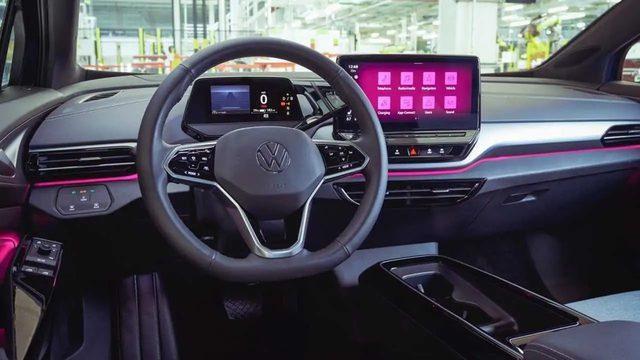
Volkswagen is reversing a design misstep made during its transition to the electric vehicle era, which saw car interiors dominated entirely by touch panels and capacitive buttons. The automaker has announced that it will gradually reintroduce physical buttons for the sake of driver comfort and road safety. Brand management has publicly shared the rationale behind this radical decision and the impact of customer feedback on its design philosophy.
Ergonomic Issues Born from the Pursuit of Designing the Future
The German automotive giant admitted that it fell into the misconception that the transition from internal combustion engines to electric vehicles was a "revolution" requiring a complete overhaul of all in-cabin control mechanisms. According to Andreas Krepp, Volkswagen's Head of Quality Assurance, touch and slide panels were adopted as the "standard of the future" at the time due to a lack of reliable customer data. However, the process made it clear that EV users preferred familiar and ergonomic controls over futuristic interfaces.
Driver Reactions and the Impact on Customer Satisfaction
Capacitive buttons on the steering wheel and touch sliders on the center console drew heavy criticism because they forced drivers to take their eyes off the road. Volkswagen CEO Thomas Schäfer had previously stated openly that this design choice had harmed customer satisfaction. In response to intense feedback from the market, the brand decided to place a renewed emphasis on physical buttons and intuitive analog controls in models such as the Golf, the Passat, and the refreshed ID.4.
Industry Implications and Design Trends
Sacrificing user experience (UX) in the name of digitalization has been a design dilemma faced by many manufacturers, not just Volkswagen, in recent years. This development has once again proven the vital importance of driving safety, highlighting the need for drivers to interact with controls via tactile feedback (haptic response) without taking their eyes off the road. This trend signals that in future cabin designs, automakers will steer away from all-digital screens and instead move toward hybrid interfaces that strike a balance between physical and digital controls.
Frequently Asked Questions
Which models will be covered by Volkswagen's decision to return to physical buttons?
According to company statements, this shift will be implemented gradually across the brand's iconic series, such as the Golf and the Passat, starting notably with the refreshed ID.4 model.
Why was the shift to all-touchscreens in the automotive sector considered a design error?
Touch panels compromised ergonomics by forcing drivers to take their eyes off the road while making basic adjustments like climate control or volume, which negatively impacted driving safety.
*This news article was prepared by Webtekno based on data published by Artificial Intelligence.
💬 Comments
No comments yet. Be the first!
You must be logged in to comment.
🔑 Log In