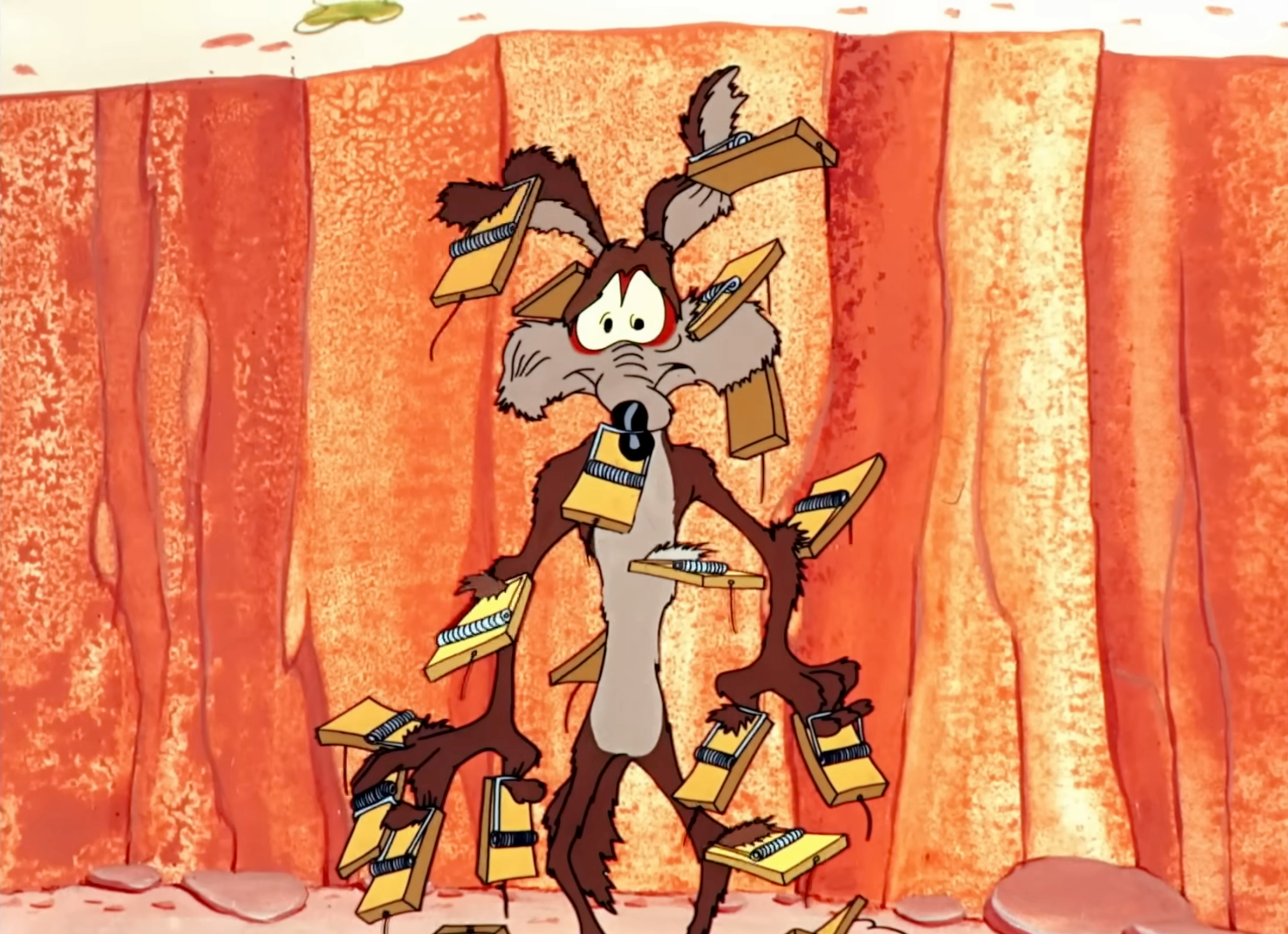
According to an analysis published in UX Collective, the root cause of Wile E. Coyote's perpetual failures and accidents in cartoons is not his own incompetence, but rather the extremely flawed and non-user-centric (UX) design of the products provided by the ACME Corporation. When examined from a modern design critique perspective, ACME's products stand out for structures that completely ignore the fundamental rules of ergonomics, safety, and functionality.
Core Design Flaws in ACME Products
Pioneering yet dangerously hazardous within the cartoon universe, ACME products represent the exact opposite of user-centered design principles. Rockets, spring-loaded shoes, or explosives are manufactured without user feedback, testing, or consideration for error tolerance. A digital interface or physical product consistently punishing the user instead of helping them reach their goal is the most glaring indicator of poor design. The ACME case highlights—in absurd yet accurate terms—how flawed product architecture dooms the end user to failure.
Industry Implications
This entertaining analysis holds significant practical takeaways for the digital product development and design world. Designing systems with low error tolerance in user experience (UX) processes hinders user adoption and creates a continuous cycle of frustration. Rather than simply labeling user errors as "user error," designers and product managers must question the architectural flaws in the product that pave the way for those mistakes.
Frequently Asked Questions
How can the ACME product analysis be adapted to modern UX processes?
By demonstrating that flawed product design and inadequate error tolerance generally lie behind user failures, the analysis reminds designers to focus on improving product architecture rather than blaming the user.
How can one tell if a digital product has "ACME-style" flaws?
If users constantly run into similar obstacles while performing the same tasks, if the system produces unexpected and punishing results, or if the product flow complicates rather than facilitates reaching the goal, that product suffers from severe design flaws.
*This news article was prepared based on data published by UX Collective.
💬 Comments
No comments yet. Be the first!
You must be logged in to comment.
🔑 Log In