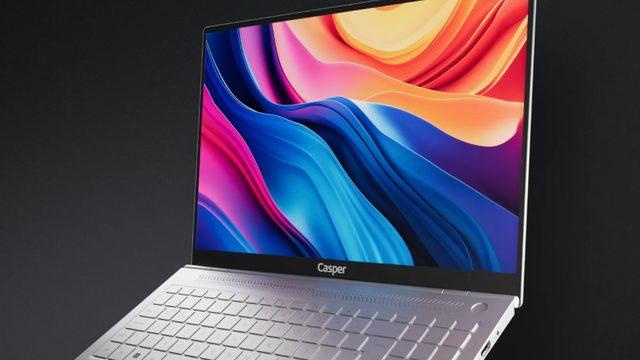
With the integration of AI tools, cloud services, and intensive multitasking into our daily lives, the criteria for choosing a laptop have fundamentally changed. Today, an ideal computer must offer future-proof performance by combining NPU-supported processors, at least 16 GB of RAM, fast NVMe SSD units, and a 16:10 display ratio, rather than just handling routine office tasks.
Why Has AI Changed Hardware Requirements?
In the past, the load on a user's computer mostly consisted of internet browsers and simple office applications. Today, however, dozens of tabs, high-resolution video conferences, massive PDF files, and generative AI tools like Copilot or ChatGPT run concurrently.
This shift has made data flow speed and memory capacity just as critical as raw processing power. Specifically, next-generation systems dubbed "AI PCs" are designed to run AI workloads smoothly and boost daily productivity.
Key Hardware to Consider When Buying a Next-Gen Computer
Making a sound investment in a laptop requires evaluating hardware components as an integrated whole. The standout technical criteria include:
- Processor and Architecture: Current Intel Core processor architectures deliver high performance and energy efficiency in hybrid work scenarios.
- Memory (RAM): At least 16 GB of RAM is recommended as a baseline standard for running intensive applications and AI tools smoothly.
- Storage: NVMe SSDs accelerate workflows with fast file access and boot times that take mere seconds.
- Display and Design: A 16:10 aspect ratio expands vertical workspace, providing an advantage in document and code editing, while slim aluminum chassis support portability.
- Connectivity Technologies: Support for USB-C, HDMI, and Wi-Fi 6/7 ensures the device remains up-to-date for years to come.
Alternatives for Different User Profiles
Since digital habits vary from user to user, hardware preferences also depend on specific use cases. For instance, models positioned for education and basic daily tasks differ in technical infrastructure from professional series that require heavy multitasking. Models featuring a 16:10 screen offer extra comfort for those working with spreadsheets and long documents by providing a wider workspace, while lightweight body designs make life easier for users constantly on the move between home, office, and travel.
Sectoral Reflections and Future Expectations
This hardware transformation in the tech world affects not only individual users but also the device renewal cycles of corporate enterprises. As AI-based software becomes standard, it has become an inevitable trend for companies to factor AI PC standards into their long-term IT investments.
Frequently Asked Questions
What tangible advantages does AI PC technology offer to an average computer user in daily life?
Thanks to built-in NPU (Neural Processing Unit) support, AI PCs shorten response times for AI assistants like Copilot and preserve battery life during video conferences by handling tasks like background blurring or noise suppression without straining the main CPU.
What is the exact contribution of the 16:10 screen ratio to productivity compared to standard 16:9 screens?
Screens with a 16:10 ratio offer users more pixel space on the vertical plane. This boosts work efficiency by reducing the need to scroll when browsing websites, reading long PDF documents, or working with Excel spreadsheets.
*This news report was prepared based on data published by Webtekno — Artificial Intelligence.
💬 Comments
No comments yet. Be the first!
You must be logged in to comment.
🔑 Log In