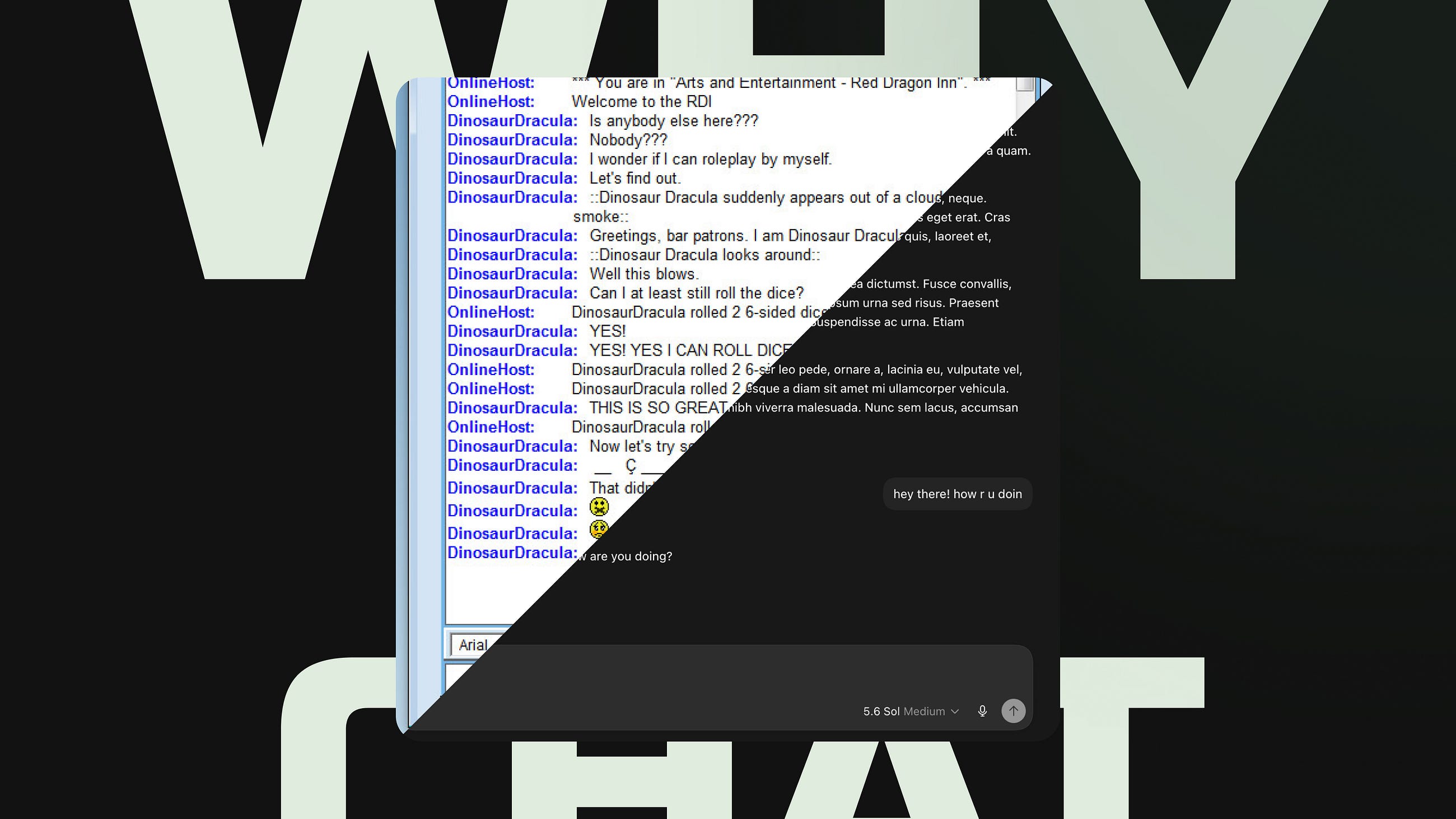
The chat interfaces that have now become standard for AI assistants and agents offer an oversimplified and functionally limited approach to user experience. According to analyses published by UX Collective, this design language, which attempts to squeeze complex AI capabilities into a single text box, prevents users from getting the most out of the technology.
The Design Dead-End of Chat Interfaces
Traditional messaging interfaces are designed to optimize linear, turn-based communication between two humans. However, when it comes to autonomous AI agents and multi-layered data processing, this format falls short.
AI tools have the capacity to execute multiple tasks simultaneously, present visual data, perform real-time editing, and generate dynamic dashboards. A rigid chat stream, on the other hand, forces all these rich outputs into nothing more than top-to-bottom flowing text and small cards. This limits interaction by making it difficult for users to compare data, edit information, or manage processes visually.
What Should Alternative Interface Models Look Like?
To truly unlock the potential of artificial intelligence, designers need to move beyond command lines or chat windows. Next-generation interfaces must evolve into hybrid structures featuring dynamic components where users can flexibly direct inputs and directly manipulate the results produced by the AI (the principle of direct manipulation). Canvas-based approaches and modular workspaces are among the standout alternatives leading this transformation.
Industry Implications and the Future of Design
Companies that place AI at the core of their digital product development processes must focus not only on model capabilities, but also on the user interaction layer. The lazy habit of "squeezing everything into a chat box" leads to user fatigue and causes these tools to be used below their full potential. In the period ahead, UI/UX designers who create context-aware, multidimensional interfaces suited to the autonomous nature of AI will gain a competitive edge.
Frequently Asked Questions
What alternatives are being developed to replace chat interfaces in AI applications?
Instead of uniform text boxes, canvas-based workspaces where users can directly edit outputs, modular dashboards, and context-aware dynamic components are being developed.
What should designers change to improve user experience in AI projects?
Rather than designing linear chat streams, designers should focus on hybrid interfaces where users can work simultaneously with AI, visually manage multitasking, and flexibly manipulate the outputs of autonomous agents.
*This news article was prepared based on data published by UX Collective.
💬 Comments
No comments yet. Be the first!
You must be logged in to comment.
🔑 Log In