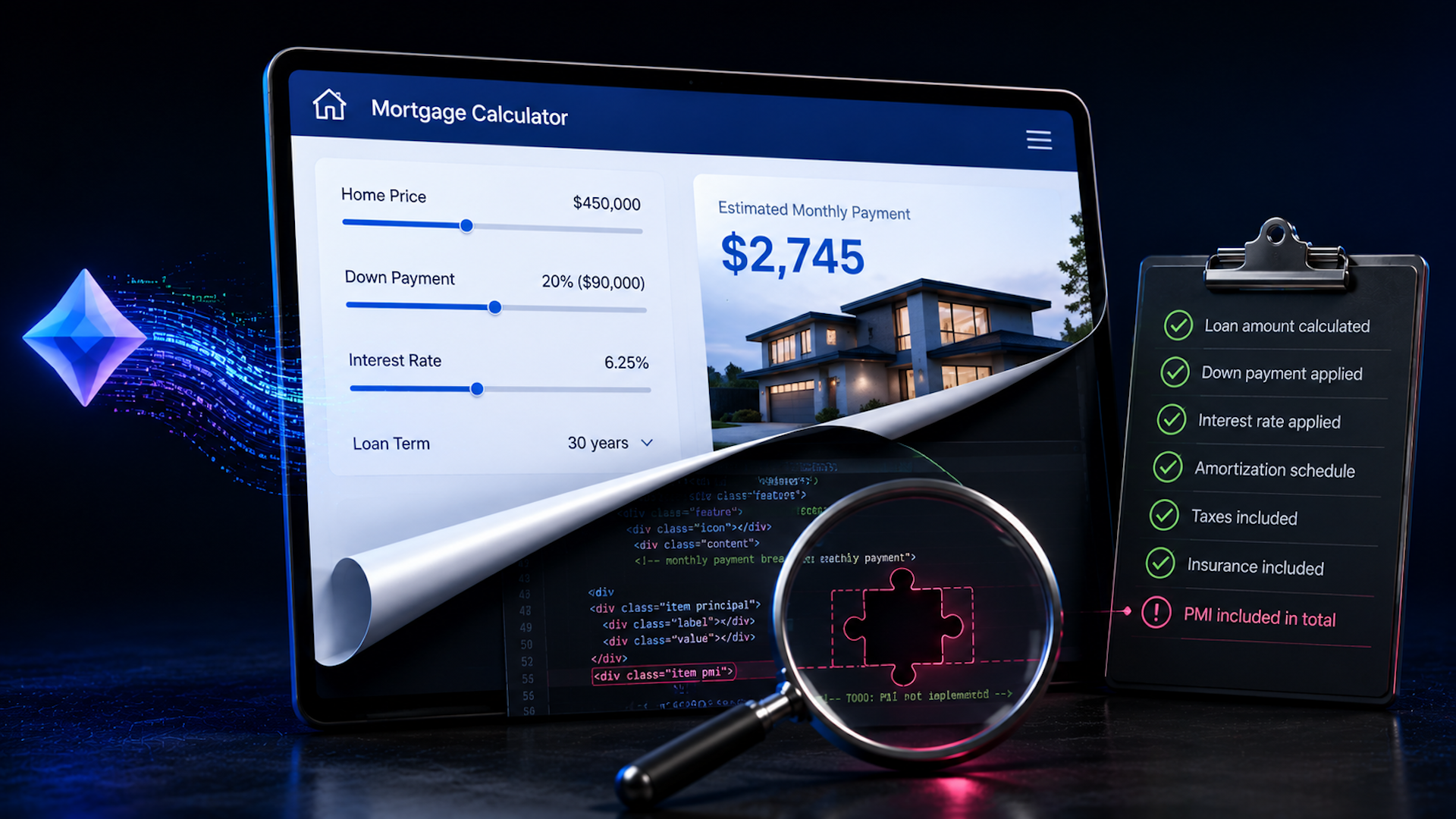
While AI tools make it possible to generate working prototypes and code within minutes, this does not necessarily mean the system has built precisely what was requested. In software development and digital marketing workflows, the "incomplete validation" problem arises when AI-generated results look correct at first glance yet contain logical or functional flaws. The solution to this issue is to define how each requirement will be tested before work begins and to compare the live result against that standard.
What to Do Before Calling It "Done" in Vibe Coding
Using AI models to rapidly write code, build prototypes, or perform technical SEO audits accelerates business workflows. However, the real danger lies in accepting the output of these tools as "completed" and ending the process right there.
This is where the "vibe and verify" approach comes into the picture:
- Pre-defining Standards: Success criteria must be clearly defined before the coding or optimization process even begins.
- Reviewing Live Output: The results generated by tools must be checked line by line or at a logical level to ensure they perfectly align with the original requirements.
- Sense of Accountability: Simply running the tools or marking a task as complete does not guarantee ownership and quality control; true ownership is only achieved by proving that the outcome matches the intended goal.
Industry Implications and Quality Control
The widespread adoption of AI-powered tools and platforms allows teams to deliver larger projects with less effort. Yet, in critical areas such as technical SEO fixes, AI visibility platforms, or digital marketing reports delivered to clients—where the data and systems being produced will be relied upon by others—skipping validation steps can lead to hidden errors. The long-term success and reliability of projects depend on balancing the speed of artificial intelligence with human oversight and rigorous validation processes.
Frequently Asked Questions
What is the most common validation mistake when writing code with AI (vibe coding)?
The most common mistake is being deceived by the initial working appearance of a prototype or generated code, accepting it as "finished," and failing to review logical requirements line by line against the original specifications.
How can quality control be turned into a sustainable routine when using AI-powered tools?
Defining test criteria in advance before executing any AI prompt and auditing the live output against these standards post-production must be established as a standard workflow.
*This news article was prepared based on data published by Search Engine Land.
💬 Comments
No comments yet. Be the first!
You must be logged in to comment.
🔑 Log In