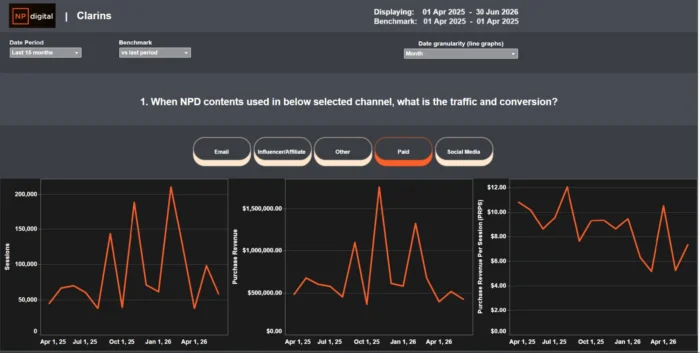
While AI tools rapidly execute tasks such as keyword research, technical audits, and content drafting, the most critical element ensuring sustained and compound growth in SEO is the active presence of human decision-making at the strategic layer. According to data from NP Digital, digital marketing programs delivering the strongest results belong to brands that position AI not as a strategy-setter, but as a support mechanism to accelerate execution processes.
The Secret to Sustainable Success: Strategic Human Management
Brands that achieve lasting success on search engine result pages emerge not from those that produce the most content, but from those that accurately structure strategic priorities. Industry studies show that bulk and unmonitored AI-driven content production provides short-term traffic surges, yet harms websites in the long run.
The common characteristics behind successful SEO programs include:
- Active Prioritization: Real experts deciding which terms to track, which pages to consolidate, and what angles to approach.
- Cross-Channel Data Sharing: Search intent data obtained by the SEO team being utilized collaboratively by paid media, email marketing, and conversion rate optimization (CRO) teams.
- Avoiding Autopilot: Keeping teams capable of reading data and making timely, accurate moves in the workflow, rather than completely automating processes.
Industry Implications and Long-Term Value
The cost-cutting and efficiency-boosting allure of AI tools creates pressure to automate the strategy layer as well. However, data reveals that brands positioning AI as a "decision-maker" experience declines in their results after a certain period. Genuine positioning and authoritative content creation processes provide long-term competitive advantages that automated operations cannot mimic. This demonstrates that search engine optimization is not limited to organic traffic reports alone, but also directly enhances the efficiency of other digital marketing channels.
Frequently Asked Questions
Why does generating bulk content with AI negatively impact a website's SEO performance?
Content produced entirely automatically, lacking strategic oversight, may fail to meet search engines' quality standards and can harm the site's overall authority over the long term by failing to satisfy user intent.
How do SEO data affect other areas of digital marketing beyond organic traffic?
Search intent and keyword data obtained by SEO teams are used to sharpen paid ad targeting, correctly segment email lists, and determine CRO test priorities based on real demand.
*This news article has been prepared based on data published by the Neil Patel Blog.
💬 Comments
No comments yet. Be the first!
You must be logged in to comment.
🔑 Log In