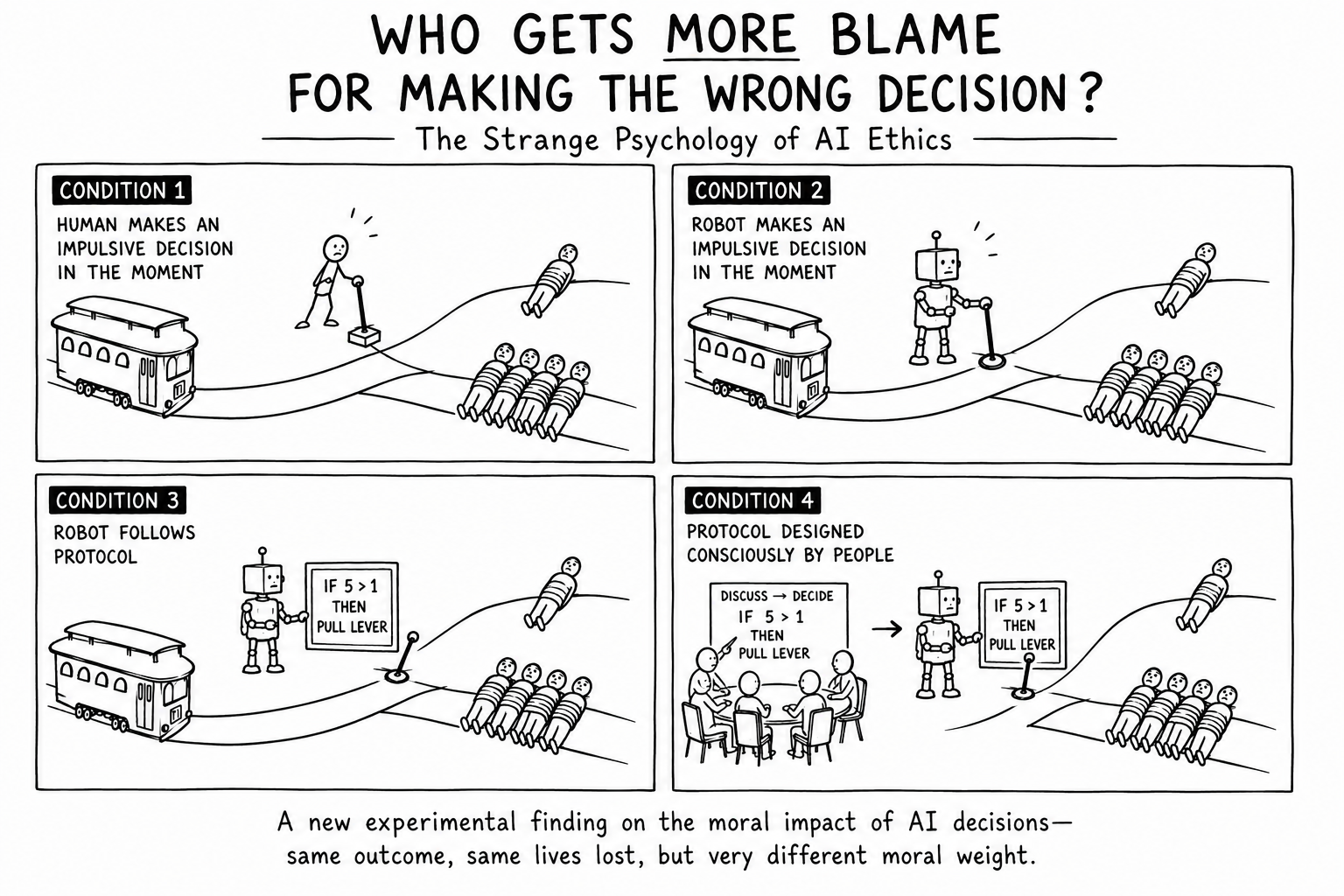
Artificial intelligence ethics has entered a new phase of debate, focusing on how making the human element behind machines visible fundamentally transforms moral decisions and AI's alignment with human values. Analyses published by UX Collective emphasize that the success or failure of systems relies not only on algorithmic structures, but also on the transparent disclosure of human responsibility in design and oversight.
The Responsibility Gradient and Design Transparency
While traditional AI ethics debates have focused on system autonomy and decision neutrality, recent analyses introduce the concept of the "responsibility gradient." This approach argues that human intervention and intent in AI-driven decisions should not be concealed. The more visible the human factor behind the machine, the greater the resulting product's alignment with societal values, pulling moral responsibility out of gray areas.
Practical Implications for Digital Product Development
In user experience (UX) and AI integration, this approach requires the redesign of interfaces and decision-making mechanisms. Making end users feel and understand what data was used to train systems, who trained them, and within what ethical boundaries directly impacts trust in digital products. For industry professionals, this makes ethical transparency a design criterion alongside technical success.
Industry Implications and Future Outlook
As AI models are integrated into every aspect of life, it appears inevitable that ethical standards will evolve from abstract principles into concrete design practices. Clarifying the chain of responsibility in machine decisions will play a pivotal role in preventing future crises and increasing AI reliability.
Frequently Asked Questions
How does the concept of the responsibility gradient practically impact the end-user experience (UX)?
It increases trust by showing users more transparently how the AI outputs they encounter were generated, along with the background human oversight and data sources.
Does making the human element visible in AI ethics increase software development costs?
While the short-term integration of transparency-focused interfaces and audit processes requires additional effort, it optimizes costs in the long run by mitigating potential ethical crises and legal risks.
*This report was prepared based on data published by UX Collective.
💬 Comments
No comments yet. Be the first!
You must be logged in to comment.
🔑 Log In