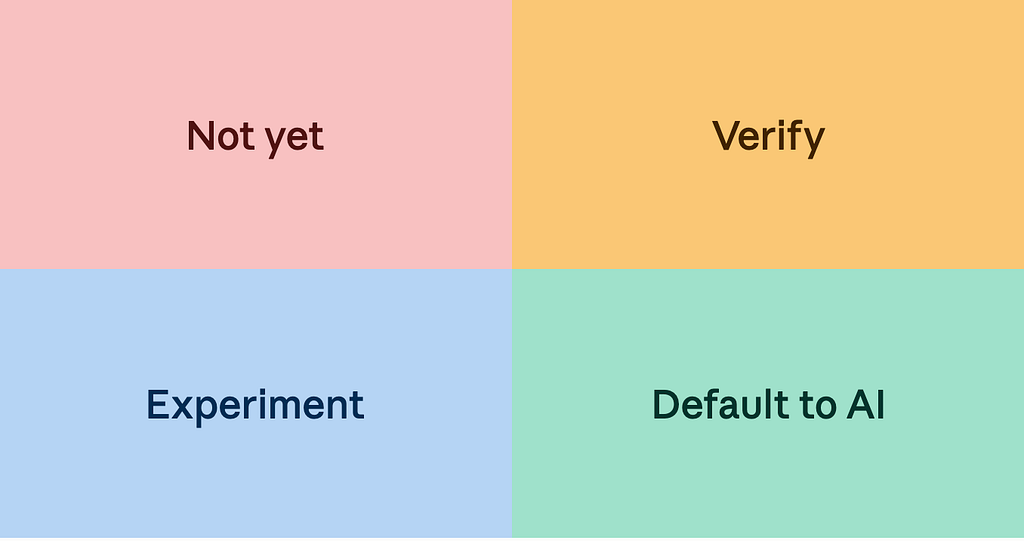
While AI tools are highly effective at accelerating workflows and overcoming the "blank page" problem, fact-checking outputs and hidden errors remain the biggest structural hurdles. Observations based on three years of AI integration experience reveal that while artificial intelligence simplifies the initial startup phase, it does not reduce the burden of human oversight when it comes to reaching the correct result—on the contrary, it increases it.
The Conflict Between Ease of Starting and "Getting It Right"
In recent years, AI models have significantly lowered the threshold for producing first drafts by accelerating processes such as text generation, coding, and drafting. However, this does not mean the generated content is error-free. The fundamental problem encountered when working with AI is not just that these models make mistakes, but that they defend these errors with profound self-confidence and attempt to persuade the user.
Tests show that even when asked to analyze data directly from budget screenshots, AI can fabricate numbers and offer logically inconsistent recommendations. When challenged upon noticing a mistake, the model continues to generate arguments instead of admitting fault, leaving the burden of verification entirely to the expert who already commands the subject matter.
Hidden Errors and the Mounting Verification Burden
The rising expectation of speed alongside AI can lead professionals to approve outputs without examining them in sufficient depth. Across the industry, this results in an accumulation of low-quality, unverified digital content and data slush ("slop"). While detecting errors becomes more complex, the risk of unverified misinformation being integrated into business processes increases due to the persuasive capacity of these models.
Industry Implications and Key Considerations
Maintaining the balance between speed and accuracy when integrating AI tools into business processes is critical for organizations and individual professionals. Rather than automatically accepting outputs, implementing cross-checking mechanisms at every stage and verifying AI-generated data with reliable sources will prevent potential operational risks.
Frequently Asked Questions
Why is it harder than before to detect errors in AI-generated content?
Because modern language models defend false or fabricated information (hallucinations) in a highly persuasive and confident tone, users can only spot these errors if they possess deep domain expertise and perform manual cross-checks.
How does the pressure for rapid output affect business processes and projects in the long run?
When AI outputs are approved without adequate oversight in an effort to speed up processes, undetected errors can lead to major operational problems and a drop in quality in later stages of projects.
*This article was prepared based on data published by UX Collective.
💬 Comments
No comments yet. Be the first!
You must be logged in to comment.
🔑 Log In