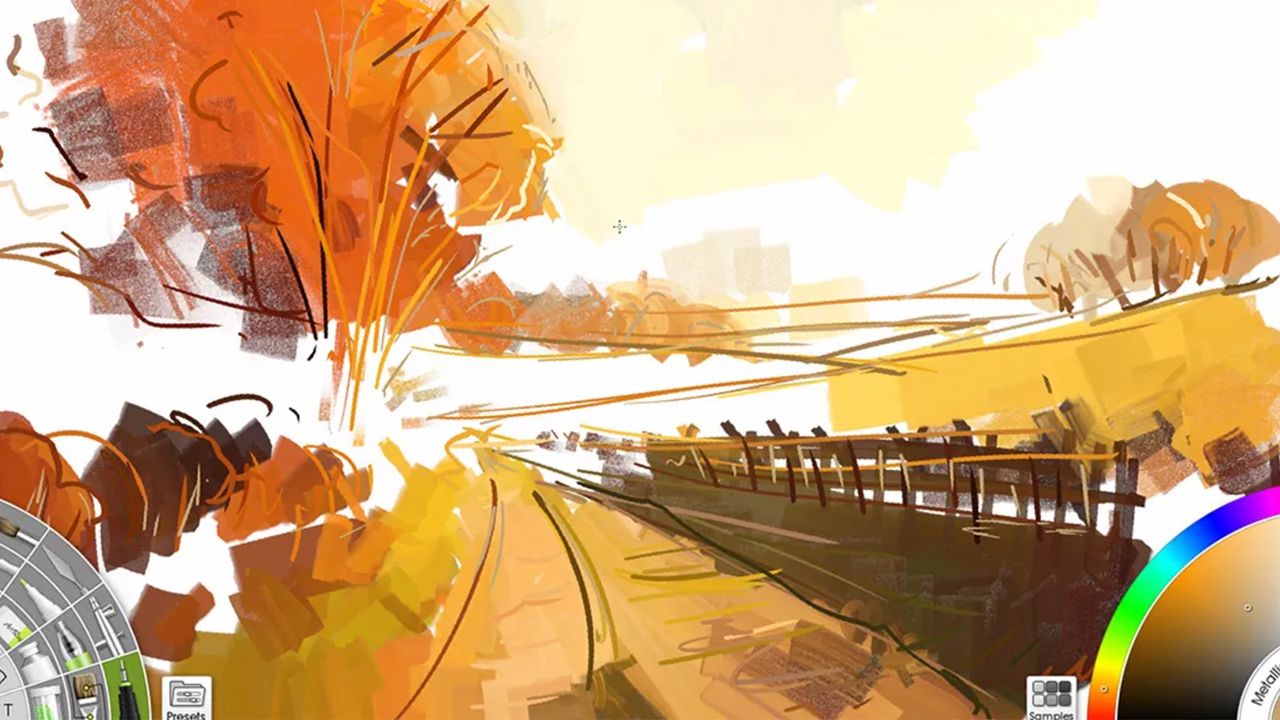
As a backlash against the flawless and slick aesthetic offered by AI image generation tools, digital artists have begun intentionally incorporating glitches, rough edges, and human-made imperfections into their work. The "hyper-perfect" visual standards created by AI engines have triggered a quest for authenticity in the art world and a renewed appreciation for human-crafted details.
The Aesthetics of Flaws and the AI Conflict
AI-powered visual tools can generate exceptionally sharp, error-free, and technically immaculate images from text prompts within seconds. However, this has led to visuals that eventually feel uniform, soulless, and "overly artificial." Digital artists are embracing organic flaws—such as inconsistencies in brushstrokes and anatomical deviations—that AI cannot replicate or actively avoids, using them as a form of expression. These imperfections lend artwork a unique identity and a human touch.
The Quest for Authenticity in Digital Design Processes
Rather than competing with the speed of artificial intelligence, designers and illustrators are focusing on strategies that highlight the "human" aspect of art. Pixel shifts, the raw translation of traditional drawing techniques into digital environments, and deliberate compositional errors ensure that artworks can be easily distinguished from AI-generated products. This trend serves as a conscious stance to preserve the authenticity of digital art.
Implications for Designers and Brands
The rapid proliferation of AI-generated content on the internet has created "visual fatigue" among consumers. This is paving the way for brands and creative professionals to turn toward original designs that feel handcrafted and stand out precisely because of their flaws. For designers looking to make a mark in the industry, this approach offers an opportunity to use the human imperfections that AI cannot offer as an advantage, rather than trying to compete with it.
Frequently Asked Questions
How has the perfection in AI visuals affected the art market?
While the overly smooth and standardized images produced by AI have caused visual fatigue among consumers, they have also prompted collectors and brands to re-evaluate human-made, flawed, and authentic works.
What kinds of flaws are digital artists intentionally including in their work?
Artists are using organic details that AI algorithms do not standardly produce, such as imitations of traditional brushstrokes, raw textures, deliberate compositional asymmetries, and digital glitch effects.
*(This news report is based on data published by Creative Bloq.
💬 Comments
No comments yet. Be the first!
You must be logged in to comment.
🔑 Log In