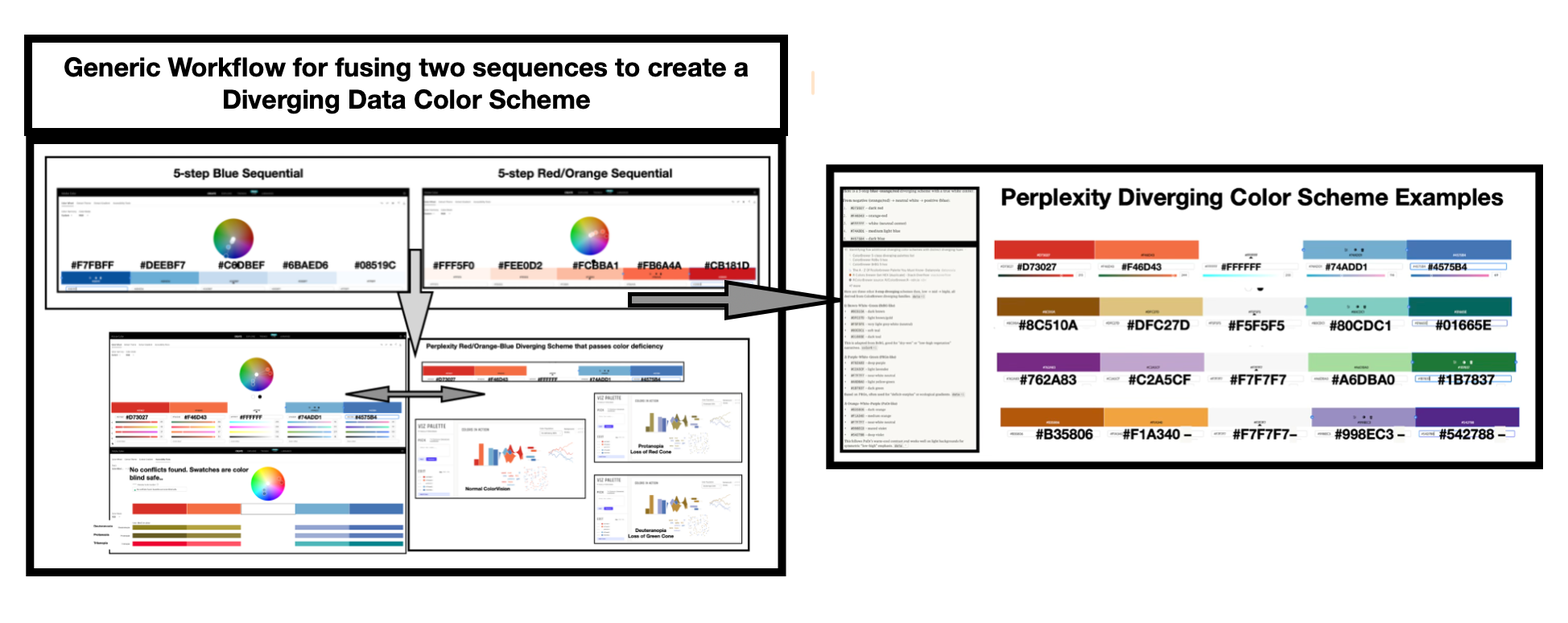
Artificial intelligence technologies continue to introduce new methods for creating data-driven color schemes within design processes. A recent analysis shared by UX Collective explores how AI differs from traditional methods when generating color palettes used in data visualization and interface design. This development enables designers to perform color harmony and contrast calculations much faster and on an algorithmic basis.
Color Palette Design with Generative AI
In traditional interface and data visualization design, color palettes are typically created manually, keeping accessibility standards (such as WCAG) and design system rules in mind. However, generative AI tools have the capacity to produce dynamic color schemes by analyzing large datasets. This approach allows for the automatic design of palettes that prevent colors from overpowering one another and enhance readability, particularly in the visualization of complex datasets.
Impact on Design Workflows
AI-powered color palette generation tools significantly reduce the time designers spend on trial-and-error processes. Especially in multi-layered data dashboards and big data projects, the hierarchical differentiation of colors is of critical importance. By combining color theory with mathematical algorithms, AI models deliver results that are consistent both aesthetically and functionally.
Industry Implications
The integration of design and artificial intelligence is pioneering the redefining of standards in digital product development processes. Algorithmic color selection not only offers visual aesthetics; it also supports digital inclusivity by increasing accessibility rates in user experience (UX) testing.
Frequently Asked Questions
Do AI-generated color palettes work compatibly with traditional design systems?
Yes, modern AI tools can integrate with existing design tokens and color codes (HEX, RGB) to produce palettes that align with a brand's corporate identity guidelines.
How does this technology impact the role of interface designers and their way of working?
By automating operational processes such as manual color selection and proportioning, AI allows designers to focus more on user experience strategy and product architecture.
*This report is based on data published by UX Collective.
💬 Comments
No comments yet. Be the first!
You must be logged in to comment.
🔑 Log In