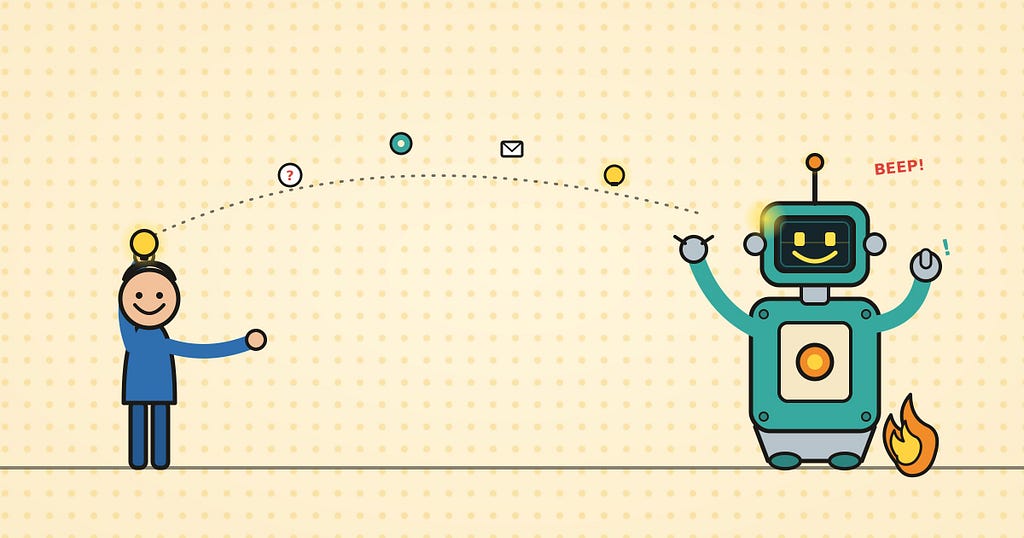
Artificial intelligence technologies are enabling the development of new software systems that digitally package individuals' professional expertise, decision-making processes, and intuition, making them accessible to other users. This process involves extracting the problem-solving methods that experts have acquired over years and transforming them into a scalable format through AI tools.
The Digitalization of Expertise and Decision-Making Mechanisms
Traditionally, the most valuable skills and decision-making reflexes developed by an individual over the course of a career remained confined to their mind and were lost when the person retired or left the job. New-generation software projects are changing this dynamic by analyzing how a leader or expert makes difficult decisions and systematizing that method.
The fundamental goal here is not for AI to replace human judgment, but for it to act as a medium to decode decision-making mechanisms—which humans know intuitively but cannot fully put into words—and make them usable by systems. This approach paves the way for this mental accumulation to be applied practically by others as well.
Sectoral Implications
Transforming individual experiences and ways of doing business into products can lay the groundwork for a new model, particularly in the professional services sector, which requires consulting, leadership training, and complex decision-making processes. Organizations can gain the opportunity to ensure knowledge continuity and scale expertise internally by digitizing the mental models of their experienced employees.
Frequently Asked Questions
Does digitizing an expert's decision-making process put their job at risk?
No, the goal here is not to replace the expert, but to strip their methodology and accumulation of routine tasks, making it available to a broader team while ensuring knowledge continuity.
What is the most fundamental challenge when adapting mental decision-making models into software?
The biggest obstacle is that most professionals make decisions intuitively, meaning these processes do not yet have a structured, step-by-step written methodology.
*This news report has been prepared based on data published by the UX Collective.
💬 Comments
No comments yet. Be the first!
You must be logged in to comment.
🔑 Log In