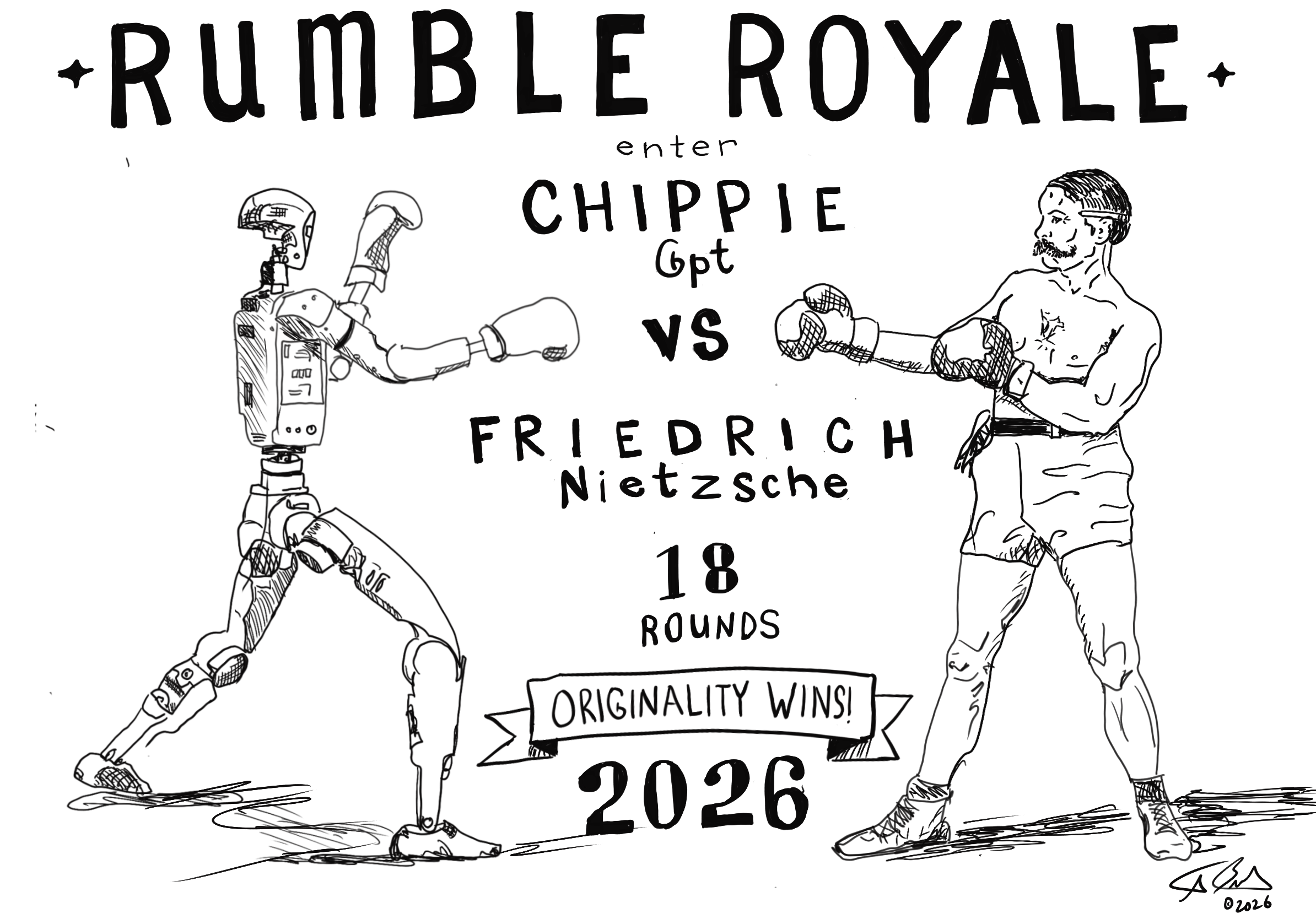
An analysis published by UX Collective highlights a wave of "aggressively mediocre" content and product generation accompanying the integration of artificial intelligence tools into design workflows. The article explores how the standardized and overly optimized outputs delivered by AI are impacting the creative industry, and outlines steps designers can take against this homogenization.
The Danger of Standardization in AI Design
Because AI models learn general trends from datasets and aim for the average, the resulting work tends to look identical. While these tools accelerate design and content production, they can simultaneously overshadow originality and the courage to take risks. The term "aggressively mediocre" emphasizes that these outputs are not merely bad; rather, they are trapped in a safe-to-a-fault, soulless, and formulaic average that leaves no room for criticism.
What to Do to Protect Creative Processes
To break this cycle of uniformity, designers must position AI strictly as an assistant tool rather than a decision-maker. Incorporating human-centric intuition, cultural context, and unexpected aesthetic choices into the process stands out as the most effective way to breach the wall of mediocrity generated by AI.
Industry Implications and Key Considerations
The greatest risk for design and digital marketing teams is sacrificing originality in the pursuit of efficiency. Rather than blindly adopting ready-made solutions provided by tools, applying a critical filter that preserves a brand's unique voice and visual language has become the fundamental key to staying ahead of the competition.
Frequently Asked Questions
How does the homogenization caused by AI tools affect design quality?
By producing technically flawless yet unoriginal and homogenous standard outputs, these tools make it difficult for brands to differentiate themselves in the eyes of users.
What strategies should designers follow to avoid the uniformity brought by AI?
Instead of positioning AI as the primary creator, it should be used as a supporting tool during stages like data analysis and drafting, while final decisions should rely on human intuition and original ideas.
*This news report is based on data published by UX Collective.
💬 Comments
No comments yet. Be the first!
You must be logged in to comment.
🔑 Log In