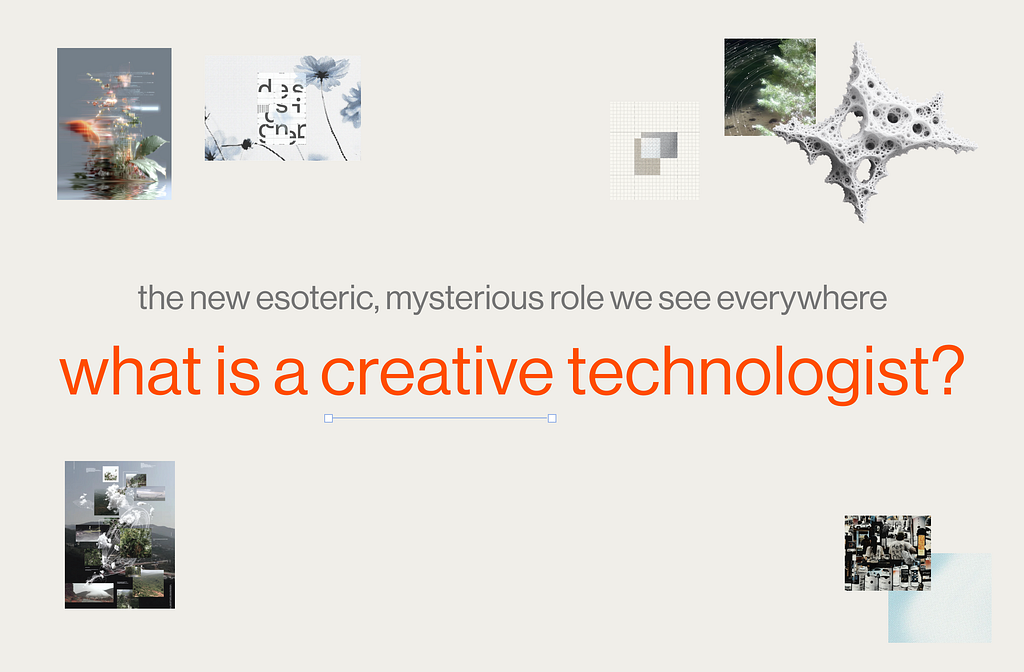
As artificial intelligence narrows the gap between concept and execution, the role of the creative technologist is shifting from the fringes of advertising agencies to the heart of modern product development teams. Bridging design, coding, systems architecture, and storytelling, this multidisciplinary expertise is becoming critical for companies exploring early-stage use cases for emerging technologies.
The Evolution of the Role and Definitive Confusion
Historically found primarily in ad agencies, research labs, and experience studios, the creative technologist position has gone by many titles, including UX engineer, design technologist, creative developer, and design engineer. Despite this lack of a standardized title, the role is experiencing a renaissance alongside the rise of AI.
The experiences of Tina Tarighian, a Senior Creative Technologist at Google Creative Lab, help clarify the boundaries of the position. In a process accelerated by AI tools, these specialists experiment with non-standardized versions of technology, drafting the early blueprints for the digital products of the future.
A New Way of Working in Future Digital Teams
Because AI tools minimize the time required to turn ideas into reality, companies are moving away from profiles that solely write code or design interfaces, favoring individuals who can think across disciplines. This industry shift indicates that creative technology skills will become a core competency in product team structuring moving forward.
Frequently Asked Questions
How does a creative technologist differ from a traditional software developer or designer?
Rather than specializing in a single domain, creative technologists move fluidly between design, code, systems, and storytelling, taking on responsibilities during the early, ambiguous prototyping stages of a product.
Why are companies starting to include individuals in this role within their product teams?
With the rapid advancement of AI technologies, companies need hybrid talent capable of generating meaningful use cases in the early stages of new tools and rapidly prototyping ideas.
*This report is based on data published by UX Collective.
💬 Comments
No comments yet. Be the first!
You must be logged in to comment.
🔑 Log In