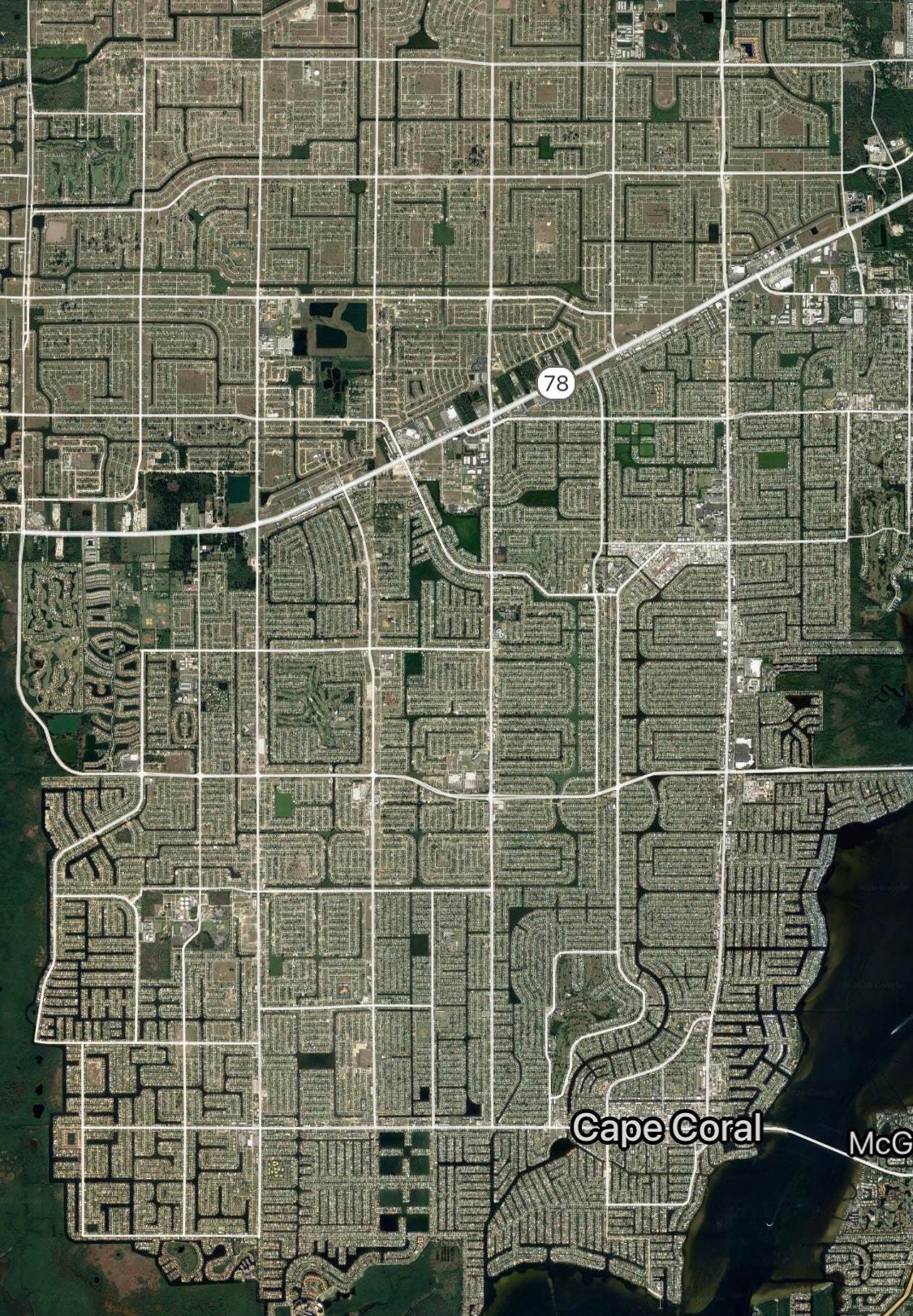
According to a recent analysis published by UX Collective, dividing digital and physical systems into clean modules does not eliminate complexity; it merely shifts it to the junctions between modules, known as "seams." Inspired by urban zoning, this approach highlights that systemic challenges in software architecture and design tend to concentrate at these boundary regions.
The Complexity Hidden in Modular Design
In software development and digital product design, breaking systems down into independent and orderly components is considered standard practice. However, rather than erasing fundamental problems, this division causes them to relocate. Much like the zoning of cities into areas with different functions, transitions and integration points between modules in software systems require new layers of management.
Industry Implications and Best Practices
When designing systems, managing the boundary points where modules meet is just as critically important as focusing on cleanliness within the modules themselves. Because designers and software engineers cannot eliminate complexity entirely, they must strategically focus on housing it at these seams in the safest and most sustainable way possible.
Frequently Asked Questions
What strategies can be employed to manage the complexity experienced during transitions between modules?
Rather than trying to reduce complexity, it should be properly managed by standardizing data exchange at boundary points and minimizing inter-modular dependencies.
How does this similarity between urban planning and software architecture influence design decisions?
Just as transition routes between zones dictate traffic flow in urban planning, module boundaries in software directly impact the overall performance and scalability of the system.
*This news article was prepared based on data published by UX Collective.
💬 Comments
No comments yet. Be the first!
You must be logged in to comment.
🔑 Log In